
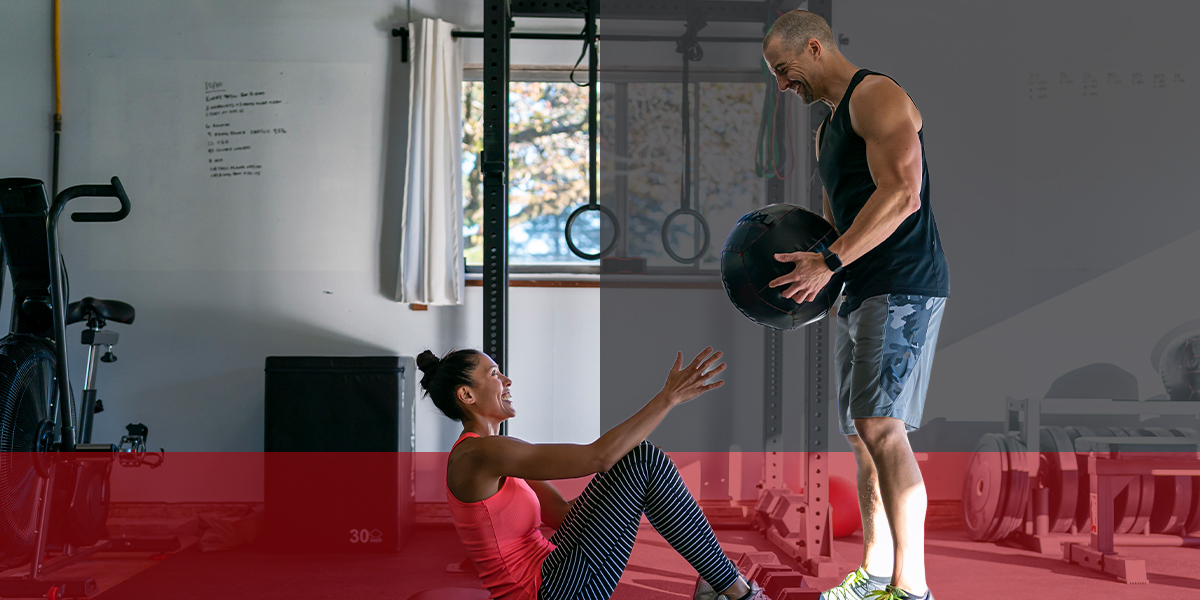
Gym memberships drain your wallet, while commute time eats into your schedule. The gym’s crowded equipment and inconvenient hours create barriers between you and your fitness goals. These barriers explain why the garage gym trend has surged in recent years, with more homeowners researching how to convert their garages into private workout spaces that put them in complete control of their environment.
This guide provides a step-by-step blueprint for turning your garage into a gym. From planning and budgeting to insulation and equipment, you’ll discover how to maximize your investment and results.
1. Plan Your Perfect Garage Gym
Foresight prevents costly future renovations. Define what type of gym you’re building before purchasing gear. Powerlifting, cardio and low-impact mobility workouts such as yoga and Pilates require different setups. Consider your current routine and how it might evolve as you break through plateaus and set new goals.
Measure Your Space and Create a Functional Layout Plan
Start by measuring the usable floor space in your garage. Account for permanent fixtures like water heaters, electrical panels or support columns. A power rack and cardio machines typically require at least three feet of clearance on all sides for safe movement. To be sure, check your specific model’s requirements.
Dedicated zones for different activities keep your training flow organized. A functional layout might include a strength area with a power rack and free weights on one side and a cardio zone with a treadmill on the other. Don’t forget to reserve a corner where you can roll out a yoga mat for cooldown stretches or body-weight exercises.
Set a Realistic Budget and Understand the ROI
Converting your garage into a gym requires up-front investment, but the long-term returns for your health justify the cost.
You’ll need to budget for the complete project, including flooring, insulation, garage door upgrades, electrical work and climate control. All of these contribute to a space you’ll use consistently. In Portland, where parking spaces add significant property value, conversion quality matters. A permitted conversion can recoup 80% ROI of its cost upon resale, making it a wise home improvement investment.
Check Local Permit Requirements
Structural changes, electrical upgrades or plumbing additions often require permits, so you should check with your local planning department before starting work. Most jurisdictions regulate electrical circuits, insulation work and structural modifications. Securing proper permits protects your investment and ensures the conversion meets building codes.
2. Prepare the Space
A clean foundation is essential for professional results. How well your flooring adheres, how efficiently your climate control operates and how long your gear lasts all depend on preparation work.
Declutter, Deep-Clean and Make Necessary Repairs
Empty your garage by donating, selling or discarding items you no longer need. Then, give the floor and walls a deep clean, sweep away dirt and scrub the concrete with a degreaser. Repair cracks with concrete filler and allow adequate drying time.
Plan for Electrical, Lighting and Data Needs
Map out where you will position your machines and identify where you need outlets. High-powered cardio equipment, such as treadmills, may require dedicated 20-amp circuits. Your overhead lighting should provide bright, even illumination across your training zones. If you stream exercise videos or play music, ensure your Wi-Fi signal reaches the garage.
Choose Your Gym Flooring
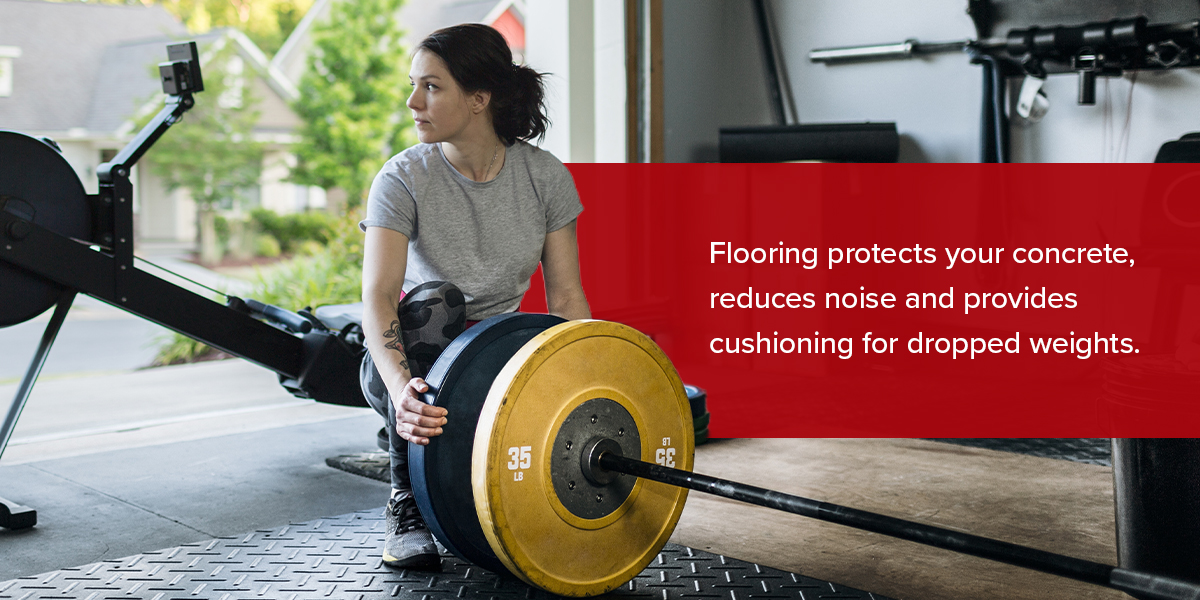
Flooring protects your concrete, reduces noise and provides cushioning for dropped weights. These three popular options suit most conversions.
- Heavy-duty mats: Durable rubber mats offer excellent shock absorption and protect your concrete.
- Rubber tiles: Interlocking tiles provide a clean, professional appearance and allow for custom layouts. They’re more expensive than stall mats but easier to replace if damaged.
- Epoxy coating: This coating creates a smooth, attractive and easy-to-clean surface. However, epoxy provides no shock absorption, making it unsuitable for areas where you’ll drop weights or slam balls.
3. Create a Comfortable, Year-Round Environment
Temperature extremes kill motivation. You’re more likely to skip workouts when your garage hits triple digits in summer or drops below freezing in winter. Insulation is the foundation of a usable home gym — wall and ceiling insulation create the baseline, but your garage door is the most significant source of heat loss and gain.
An insulated garage door stabilizes temperatures in all four seasons, eliminating the excuses that derail consistency. Energy Star notes that comprehensive home insulation efforts, including insulated garage doors, can save homeowners up to 15% on their annual energy bills, making it a wise comfort and efficiency investment.
The benefits of garage door insulation extend beyond temperature control. Insulated doors reduce exterior noise, making your training space quieter. A modern insulated door also provides durability, energy efficiency and curb appeal that supports your home’s value.
Choosing a Door With Windows for Motivation
Natural light transforms a dark garage into an inviting space. Bright light exposure enhances performance and healthy behaviors, according to recent research. A door with inset windows will flood your gym with daylight, creating an energizing environment that supports consistent training.
Full-view glass garage doors maximize natural light while maintaining insulation performance. Windows eliminate the cave-like feel of a traditional garage, making early-morning or evening workouts more appealing.
Select a Quiet Garage Door Opener for Early and Late Sessions
Modern belt-drive openers operate quietly, so you can exercise without worrying about waking anyone.
Quiet, smart garage door openers offer additional benefits beyond noise reduction. Smart features let you control the door from your phone, monitor status and receive alerts. Battery backup systems ensure access even during power outages.
4. Equip Your Home Gym
With your space prepared and climate-controlled, you’re ready to start setting up.
- Select your core strength and cardio equipment: Choose foundational pieces that align with your training style. Powerlifters need a power rack, barbell, plates and a bench. CrossFit enthusiasts benefit from kettlebells, slam balls and pull-up bars, while yoga practitioners require high-quality mats, straps and blocks. Cardio-focused athletes should prioritize a treadmill, bike or rower.
- Maximize space: Vertical storage keeps your floor clear and eliminates hazards. Wall-mounted racks for kettlebells, medicine balls and resistance bands organize smaller gear efficiently.
- Ensure good cable management: Route power cables along walls or secure them with cable covers to avoid tripping hazards and cable damage.
5. Finishing Touches for Motivation and Safety
Mirrors serve a dual purpose in your garage gym. They let you check your form, thus reducing your injury risk and improving your technique. Strategically placed mirrors also make the space feel larger.
Install a quality sound system or a mounted TV to add motivation during demanding sessions. A Bluetooth speaker delivers your favorite music or podcast, while a screen lets you follow at-home training videos. It’s vital to maintain proper ventilation for fresh air during intense exercise, so install a high-velocity fan if your garage lacks adequate airflow.
Get a Free Estimate for Your Gym Conversion With Oregon City Garage Door
A successful garage gym conversion requires creating a comfortable environment you’ll use consistently. While you can handle planning, flooring and equipment selection, the most critical upgrades require professional expertise. An insulated door, natural light from windows and a quiet opener make the difference between a gym you’ll want to use daily and one that gathers dust.
Oregon City Garage Door has served the Portland metro area since 1992. As a Clopay dealer, we offer premium insulated garage doors and LiftMaster openers designed for year-round comfort. We provide complimentary estimates on all new installations, backed by a one-year warranty. Request your free estimate today and start building the home gym that will help you achieve your fitness goals.
- How to Convert Your Garage Into a Gym - July 16, 2026
- How to Fix a Detached Garage Door - July 15, 2026
- How to Paint a Garage Door - April 29, 2026