
Should I Replace Both Garage Door Springs?
“Should I Replace Both Garage Door Springs?”
Yes. You may be tempted to save money on parts and labor by replacing just one spring, but you’ll likely need to replace both when one spring breaks.
Garage doors have two springs, one on either side of the door. The springs exert the force that makes the door light enough to be lifted. When one garage door spring breaks, many homeowners wonder if they need to replace both springs or if they can replace only the one that malfunctioned. Read below to learn why you should always replace both garage door springs when one breaks.
Why Is a Balanced Garage Door Important?
Springs keep your garage door balanced, ensuring that both sides of the door rise up and down at the same time. If one spring breaks, it throws off the function of the door. The two sides will rise and fall at different speeds.
You’ll hear more noise when you use the garage door, and the other spring will wear down faster with the higher workload, trying to balance out the issues on the other side of the door.
The average life expectancy of a garage door spring is about 10,000 open and close cycles. For most garages, that means about seven to nine years, but some springs break within four or five years with frequent use.
How can you tell if your garage door is unbalanced? In addition to hearing more noise, you can look for several telltale signs. A slanted or crooked door is a sign of imbalance, and so is a garage door that slams down when you close it instead of coming down slowly. If you notice increasing gaps between the coils in your springs, consider it an indication that the springs are failing and may need replacements.
What Is the Danger of an Unbalanced Garage Door?
If one spring breaks, there are several things that can occur:
- The door may close suddenly.
- Loose springs can crack or fall out of the brackets.
- The door may speed up or slow down, becoming unpredictable and putting you and your family in danger when you try to enter or exit the garage.
Having a malfunctioning spring can lead to warping on the tracks due to wear on the wheels. The motor can also experience greater demand for its power when the garage door is being pushed up, which means it will need to be replaced sooner.
An imbalanced garage door can also cause injury or damage to your property. If your garage door falls on your car, you may need to take it to the shop for repairs. It could fall on something sitting near your garage door entrance, too, such as a bike or scooter.
Learn About Our Garage Door Spring Repair
Should I Replace Both Garage Door Springs?
If you’re thinking of replacing one garage door spring, you’re probably better off replacing both. Your garage door will function better when you get two new springs to balance out the wear and tear, and you’ll gain peace of mind protecting your family from the consequences of a broken spring.
Can a Garage Door Operate With One Spring?
No. Both springs must work together to pull the garage door up and bring it down gently. When operation relies on one spring, in addition to presenting safety concerns, it can also lead to wear and tear on the door.
You shouldn’t try to balance a garage door yourself. While replacing both springs is critical for your door to function again, only a professional can provide the repairs you need. Garage door repair technicians understand how to perform tests on the door’s balance.
Garage doors are heavy, often weighing hundreds of pounds, and you don’t want to put yourself in harm’s way. The safest option is to get help with the replacement of both springs.
Why Do Garage Door Springs Break?
The most frequent reason a garage door spring breaks is wear and tear. Nothing lasts forever, and when your garage door goes up and down at least twice a day, that puts a lot of tension on the spring. You can buy extended life span torsion springs to get more use out of your garage springs, but you’ll still need to replace them at some point.
Another contributor to broken garage door springs is rust. It shortens the life span of a spring and leads to more friction when the coils move. You can apply a silicone-based lubricant to your springs every season to reduce rusting.
Poor maintenance may also cause springs to break. You should check the garage door balance every year so you can detect any potential issues early. Use the emergency release cord to put the door in manual mode, and then lift the door and let go. Well-maintained springs will keep the door in place.
What Type of Garage Spring Do I Need?
To replace the spring correctly, you’ll need to know what type you have. The two main types of springs are extension and torsion.
Torsion springs are the long, thin springs along the door’s horizontal track, which extend when you move the door. They include three types of springs:
- Open-looped extension springs
- Double-looped extension springs
- Clipped-end extension springs
Torsion springs sit on the metal shaft above the door opening. They get wound to a specific torsion that assists with the assembly. The four types are:
- Early-set torsion springs.
- Standard torsion springs.
- Torque-master torsion springs.
- Steel rolling door torsion springs.
Is It Dangerous to Replace a Garage Door Spring?
Yes, it can be dangerous for a homeowner to replace a broken garage door spring. Garage doors are heavy, and their components are under a lot of pressure. It’s best to leave the job to a professional. The dangers of attempting repairs or replacement on your own may include:
- Springs snapping back on you as you try to replace them: The tension in the springs can produce quite a sting or even cause serious injury.
- The door falling on you as you work: A broken spring can make a garage door close suddenly, injuring you or damaging any items in the door’s path.
- Estimating the wrong tension for the springs: If you guess wrong, then the garage door could fall when you’re using it later.
What Do I Need to Replace a Snapped Garage Door Spring?
To replace an extension spring, you will need the replacement part as well as C-clamps. Open the garage door, then secure it with the C-clamps. Take the spring off the track bracket and pulley, and remove one end of the safety cable. Put the new spring on along with the pulley and connect the safety cable again.
Torsion springs are more challenging to work with. Close the door and unwind both the springs. Take them off the central rod bracket and take the cables off the pulleys. Slide the loosened pulleys off the rod. Put on the new springs, then reinstall the pulleys and cables. Wind up both springs using a winding bar and test the door balance.
Contact Oregon City Garage Door for Spring Repairs and Replacements
Now you understand why a balanced garage door is essential. It protects you and your family. Performing repairs on your springs or replacing them yourself may cause safety issues, and the work can be challenging if you’re not familiar with all the moving parts. It’s best to leave repairs and replacements to the professionals, especially if you live in Tualatin, Wilsonville, Tigard, Portland, Happy Valley, Canby or any other areas in Portland for which we regularly provide expert garage door services.
If you need assistance replacing your garage door springs, give Oregon City Garage Door a call at 503-632-3070 or contact us online to schedule service. We can get the job done quickly and correctly the first time around.
Ways to Cool Your Garage in the Summer
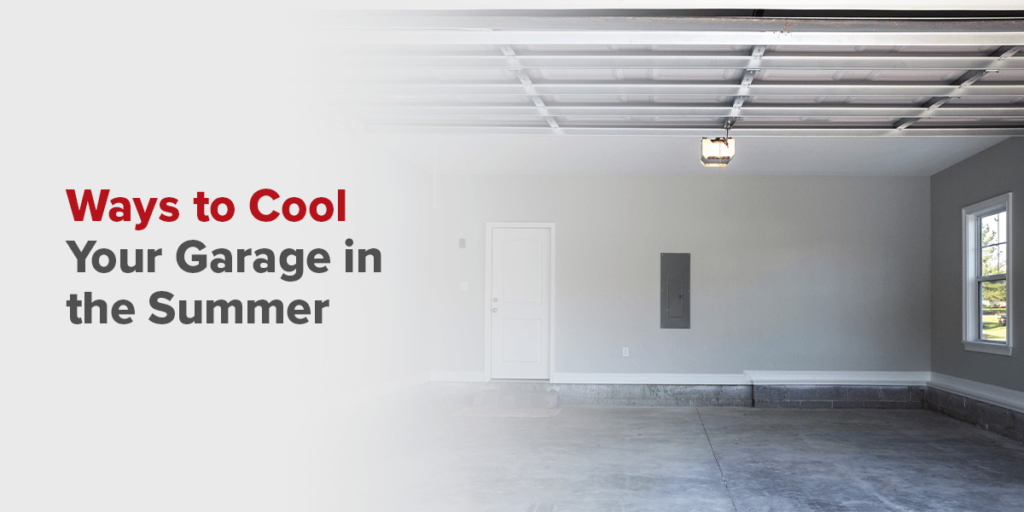
Why is my garage so hot? You step into your garage and you immediately start to sweat. While most garages get hot, there’s always a way to cool them off. Learn more below about why the temperature in your garage temperature rises so high and the best way to cool a garage in the summer.
Why Do Garages Get So Hot in the Summer?
Summers everywhere can get hot and humid, turning the garage into an uncomfortable place. Trying to work out how to cool a garage in Oregon can be difficult. There are two main reasons garages feel like saunas in the summer. The first is a lack of ventilation and the second is the lack of insulation.
That said, other factors can play into the problem, as well. If your garage is full of objects, built with concrete flooring or has lots of heat-generating vehicles and equipment, your garage might be holding onto more heat. Here are some common reasons your garage is getting hot in summer.
Lack of Insulation
Poor insulation is the main cause of a hot garage. With inadequate insulation, warm air seeps into the garage as the cold air escapes, meaning your space can’t maintain a comfortable temperature level. This increases your energy bill and makes your garage uncomfortable.
In the summer months, uninsulated garages are naturally warmer since they don’t have the ability to keep the hot air out. Properly insulated garage doors and walls help maintain the garage’s temperature as the outside air fluctuates, keeping it cool in summer and warm in winter. In addition to improved temperature control, you can enjoy several benefits of insulating your garage.
- Lower energy bills: Insulating your garage keeps the heat out and helps lower your energy costs. Your HVAC system won’t constantly try to maintain the climate level as the garage warms up.
- Noise management: Insulation softens the outside sound heard in the garage. Additionally, an insulated door will be quieter when it opens and closes.
- Storage item protection: Managing the garage’s indoor temperature prevents vehicles and items stored inside from being subjected to extreme temperatures.
Air rises, entering cracks and crevices around the garage door, warming and cooling the garage by mixing with the outdoor temperatures. If left unsealed, these garage door gaps could also let in water, animals and wind, ruining your stored garage items.
Lack of Ventilation
Lack of ventilation is a common problem, especially in windowless garages. Without air circulation, the garage feels hot and stuffy. A soft breeze can decrease the temperature and improve comfort. Removing the hot air through a turbine or mechanical system is an excellent way to provide ventilation.
Without ventilation, your garage traps warm air — and potentially, toxic fumes from vehicles. This mixture can be hazardous and should be removed from the space. To improve ventilation and remove the hot air and fumes, add a mechanical air mover or windows and vents to the garage walls. You’ll enjoy cleaner, cooler air.
Location and Color
Your garage’s location impacts the amount of sunlight it receives. A south- or west-facing garage is more exposed during peak heat periods, which means it gets hotter inside.
The garage door and roof color can also impact the internal temperature — darker garages often absorb more sunlight. Lighter colors can help reflect light, preventing it from absorbing into your garage. Similarly, your home’s exterior may conduct or repel heat depending on its color.
Heat-Generating Objects
If you’ve just parked your car, the engine’s heat will radiate out and increase the garage temperature because it emits heat long after it stops running.
Operating electrical equipment such as dryers and washing machines also elevates heat levels, and cluttered items block airflow and keep air stagnant and warm. If your garage is full of objects and contains operational appliances, you’ll likely feel more heat inside during the summer.

7 Garage Cooling Solutions
No one likes a heated garage. Check out these tips on how to cool off your garage.
1. Park Your Car Outside
Parking your car outside in the shade after driving home provides some time for the engine to cool down. That way, it won’t emit as much heat when you move it into the garage for the night. Leave it outside for at least a few hours into the evening for the heat of driving to dissipate.
2. Use Garage Ventilation Systems
The simplest ventilation option for a garage is windows. They have many advantages, such as opening and allowing fresh air to circulate. Tinted and UV-protective windows also help reduce the light and heat entering your garage.
Fan-driven airflow systems are another efficient solution that comes in multiple varieties:
- Passive ventilation systems: A standard method for cooling garages, passive ventilation systems often consist of a turbine roof or wall vent that uses natural winds to help circulate air through the garage.
- Active ventilation systems: These mechanically circulate garage air. They are either separate or integrated with the house’s ventilation system. They’re more expensive and should be installed professionally to prevent your electrical circuit from overloading.
3. Leave the Garage Open for a Few Hours
If your garage door lacks windows, leave it open for a while in the evening to let hot, stagnant air escape. Move home improvement projects and hobbies outside while you allow air to circulate naturally for a few hours. Make sure you close the door if you plan to leave home.
4. Circulate Air In Your Garage
Install a ceiling fan, pedestal fan or air conditioner in your garage. If you opt for a fan as your primary, permanent cooling solution, it’s best to choose an industrial-strength model. You have a couple of options for ways to increase air circulation in your garage:
- Fans: Install a ceiling fan to help cool the garage or place several pedestal or box fans along the sides of the garage ceiling for more circulation. Fans pull and push air inside and outside to create a flow, so place them near vents and open windows if possible.
- Air conditioning: Adding an air conditioning unit is the quickest way to lower your garage’s temperature. You can also use a portable air conditioner, but make sure you take measurements and select the correct size.
5. Upgrade Your Garage Insulation
Insulation works to keep your garage cooler in the summer and retain heat during the winter. Insulate your garage door and walls to keep the heat out and reduce the temperature. A new, insulated garage door can help reduce your energy costs by placing less pressure on your HVAC cooling system.
Proper insulation and weatherstripping protect your garage from extreme temperatures and weather damage. Preventing the elements from entering protects your garage from heat, cold, animals and water damage, so it stays secure year-round.
6. Place a Dehumidifier in Your Garage
A humidifier regulates the air’s humidity by extracting moisture from it. It also prevents musty odors caused by excessive heat buildup in the garage. These devices are helpful in summer, as they maintain comfortable humidity levels and make the heat feel more tolerable. Place the dehumidifier away from direct sunlight or attach it to a portable air conditioner for optimal results.
7. Consider Repainting Your Garage Door
Darker garage doors tend to absorb heat more than lighter colors. Consider repainting your door’s exterior to repel the harsh summer heat, especially if your garage receives large amounts of direct sunlight during the day.
Contact Us to Insulate Your Garage Door and Keep the Heat Out
Even with temperatures at their hottest, there are ways to cool your garage in the summer. Let Oregon City Garage Door help you! We sell a range of new insulated garage doors designed to keep your garage more comfortable all year round — all while protecting your belongings and lowering your utility bills.
We have been trusted for reliable garage door service in numerous counties and cities in Portland, including Beavercreek, Beaverton, Canby, Clackamas, Happy Valley, Tualatin, Tigard and more!
Tips to Keep Children Safe Near Garage Doors
It’s no secret that the garage isn’t the safest place for young children. You’ve probably already childproofed any drawers or cabinets in your garage to keep your kids from accessing sharp tools or cleaning agents. You also know not to leave power tools plugged in. But how can you childproof a garage door?
Garage door child safety starts with you as a parent, just like any other kind of safety you teach your kids about. Not only are there garage door safety tips you should share with your children, but you should also perform regular maintenance to keep children safe near garage doors.
How to Childproof Garage Doors

From regular maintenance to features designed specifically with safety in mind, here are some steps you can take to childproof a garage door:
1. Inspect Your Garage Door Often
Even if your door is operating smoothly, you should be on the lookout for any broken cables or springs and get them fixed immediately.
2. Test the Reversing Mechanism
This is an essential safety feature for a garage door, so if you don’t have one, you should look into it. With this feature, your garage door will automatically reverse if there is anything in its path.
Test it at least once a month using an object like a piece of wood, and make sure the door reverses as soon as it comes in contact with the object. Contact your garage door service provider right away if the mechanism fails.
3. Keep the Garage Door Opener Out of Reach
You might consider enlisting the help of a technician to reposition your garage door opener so that children can’t reach it and touch the buttons. Placing a cover on top is also a good idea.
4. Seal Any Gaps With Rubber
Adding seals will keep small hands from getting stuck in gaps in panels — and it helps with insulation, too.
Garage Door Safety Tips for Children
Once you know how to childproof your garage door and keep up with maintenance, your work is halfway done! Here are some garage door safety tips you should share with your children:
- Never play near garage doors. It’s easy to bump into hinges and joints that can injure your child as well as cause damage to the door. Not only that, but someone could press a button — either accidentally, or not knowing that children are nearby — and close the garage door. Make sure kids understand this and remember to keep a safe distance from the door.
- Don’t press any buttons. Younger children, in particular, may need to be reminded not to press the button to open or close the garage door. Just like pushing buttons on the stove, this is a task for adults to handle.
Your garage door might be a stylish, functional feature of your home, but it’s also a complex mechanical system. Practice garage door safety around your child and keep your door well maintained so that it can protect your home for years to come.
Oregon City Garage Door is your trusted local company for all garage door needs in Portland and the surrounding areas! Give us a call at 503-632-3070 or contact us for childproofing and other garage door services today.
How a New Garage Door Can Decrease Energy Costs
Like most people, you’ve probably been wondering how you can make your home more energy-efficient. You might want to lower your household’s carbon footprint or decrease your energy costs — maybe both!
Whatever your reason, you’ve probably heard a lot of different advice on things you can do to accomplish your goal. One notable factor that many people underestimate is the role a new insulated garage door can play when it comes to your home’s energy efficiency.
What Is an Energy-Efficient Garage Door?
An energy-efficient garage door is one that will lower the energy costs in your household because it helps regulate the temperature in your home.
Which garage doors are most energy-efficient?
The most energy-efficient garage doors are made up of multiple layers of steel and insulation, with the most effective materials for insulation being polystyrene and polyurethane.
When it comes to efficiency, an insulated garage door will go a long way toward keeping your home warm in the winter and cool in the summer. Insulated garage doors prevent the air in your home from escaping, thus saving energy.
How Can a New Garage Door Decrease Energy Costs?
If you’re looking for ways to make your garage more energy-efficient, here are a few reasons you should start with your garage door:
1. It Regulates the Temperature in Your Home
You probably don’t spend the bulk of your time in your garage, but it’s still an extension of your home. If your garage is not insulated, heat and cold air can radiate from your garage into the rest of your house through shared walls. If you find yourself adjusting your thermostat constantly, this could be the reason!
You can save time and lower energy costs by upgrading to an insulated garage door.
2. It Lowers Energy Usage – And Ultimately Energy Costs
This one may seem obvious, but it’s true: lower energy usage translates to lower energy costs. But how can a new garage door lower energy usage?
You may have noticed a pattern here — it all comes back to the insulation. According to the EPA, properly insulating and air sealing a home can lower heating and cooling costs by 15%. It’s easy to overlook your garage door when it comes to insulation, but it can make a significant difference.
3. It Can Make Your Car Battery More Efficient
Your car probably isn’t what you had in mind when it comes to decreasing energy costs in your garage, but it’s a great bonus! Extreme heat in the summer is hard on your car’s battery.
Elevated temperatures can cause liquid in the battery to evaporate, shortening its lifespan.
An insulated garage door will keep the heat at bay so your car battery can go the distance.
Update Your Garage Today
Are you ready to cut costs and improve your home’s energy efficiency with an insulated garage door? Contact Oregon City Garage Door today! We have plenty of options to choose from, including our Energy Series as well as our collection with Intellicore® for even more insulation.
Give us a call at 503-632-3070 if you’re looking for a new energy-efficient garage door or contact us online. We proudly offer service throughout the Portland area, and we provide free estimates for new garage door installations.
Don’t wait — start lowering your energy costs today!
When to Repair Your Garage Door Instead of Replacing It
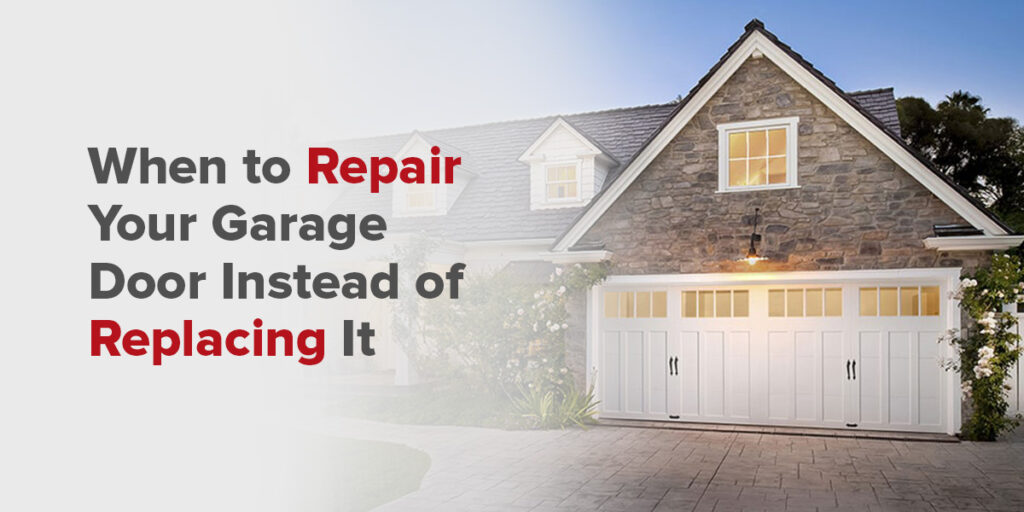
The value of your home is important no matter how long you plan on remaining in your home, whether that’s for the next 40 years or just the next four. Your garage is a critical factor in your home’s value, and it’s an excellent investment for homeowners.
A new garage door can increase a home’s listing price. With such an excellent cost vs. value ratio, it’s no wonder lots of homeowners are eager to replace an out-of-date garage door with a new one.
But outright replacement may not always be the best choice for a homeowner. In some cases, a garage door repair would be a better option. So how do you decide between repairing and replacing your garage door? Here are a few questions to ask yourself when choosing whether to repair or replace:
- What is the condition of your garage door?
- What parts need to be repaired or replaced?
- How old is your garage door?
- What is the condition of your garage door opener?
- Is your garage door still safe to use?
- What is your budget?
In this comprehensive guide, you’ll find all the information you need to make your decision.
Cost of Repairing vs. Replacing Your Garage Door
Your garage door is an important part of your home’s security and functionality, and it’s not uncommon for it to require repairs or replacement at some point. However, the decision to repair or replace your garage door can be difficult, especially when you’re trying to balance cost with quality and longevity.
The cost of repairing your garage door will depend on the extent of the damage, the type of door you have and the cost of labor in your area. Generally speaking, minor repairs like fixing a broken spring or replacing a panel will be less expensive than major repairs like replacing the entire door or motor. However, it’s important to remember that repeated repairs can add up over time and may cost more in the long run than simply replacing the door.
Replacing your garage door can be a significant investment upfront, but it also offers benefits in terms of increased energy efficiency, improved security and better curb appeal. Additionally, if your current door is old or outdated, replacing it can increase the value of your home and make it more attractive to potential buyers.
What Goes Into the Cost of a Garage Door Repair?
When it comes to repairing your garage door, understanding the factors that influence the cost can help you make an informed decision and avoid being overcharged. Here are some key considerations to keep in mind:
- Type of garage door: Specialty materials or wood can be more expensive to repair than steel or aluminum doors.
- Extent of damage: Minor issues like broken springs or damaged panels may be relatively inexpensive to repair, while more significant damage to the motor or tracks can be more costly.
- Replacement parts: The cost of replacement parts can vary depending on the type and quality of the materials used.
- Labor costs: Larger doors or more complex repairs may require more labor and specialized equipment, which can impact the cost.
- Location: If you live in a remote or hard-to-reach area, you may need to pay more for travel expenses and labor costs.
- Emergency repairs: There may be additional fees if you need emergency repairs outside of regular business hours.
What Goes Into the Cost of a Garage Door Replacement?
Garage door replacement is a significant investment for any homeowner, and understanding the factors that affect the cost can help you make an informed decision. Here are some key considerations to keep in mind:
- Size of the door: Larger doors require more materials and labor, which can drive up the cost.
- Material: Different materials have different costs, with wood being generally more expensive than steel or aluminum.
- Style: Basic styles with minimal design elements tend to be less expensive than more elaborate designs, such as those with decorative glass panels or intricate woodwork.
- Insulation: Insulated doors are more expensive but offer energy efficiency and noise reduction benefits.
- Windows: Doors with windows can add to the cost, but can also enhance your garage’s appearance and natural light.
- Hardware: Upgraded hardware, such as handles and hinges, can add to the overall cost of replacement.
- Installation costs: The cost of installation can vary depending on the complexity of the installation and any modifications or repairs needed to the existing structure.
- Labor costs: Skilled technicians are necessary for proper installation and may add to the overall cost of the replacement.
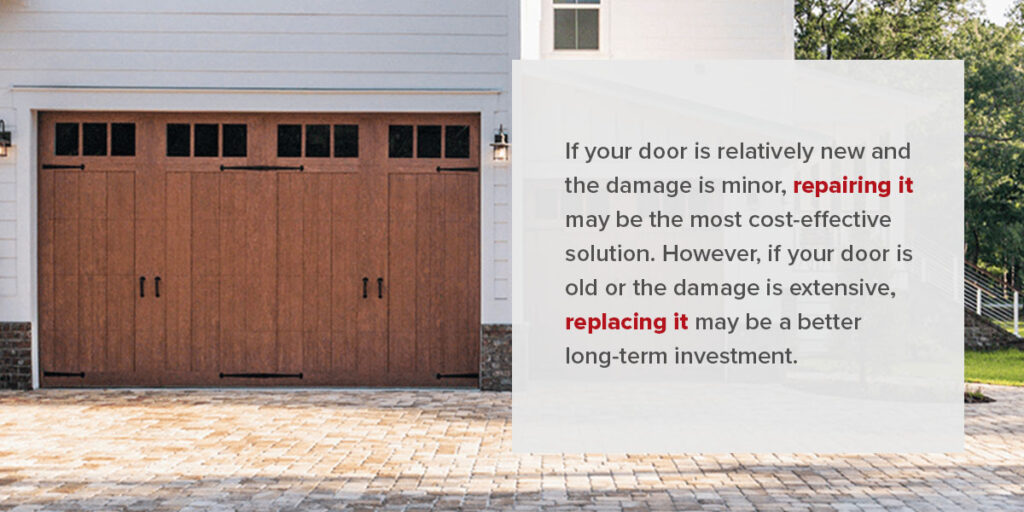
Ultimately, the decision to repair or replace your garage door will depend on your specific situation and budget. If your door is relatively new and the damage is minor, repairing it may be the most cost-effective solution. However, if your door is old or the damage is extensive, replacing it may be a better long-term investment.
When to Repair Your Garage Door
If you’ve been experiencing issues with your garage door, you may be wondering if it’s time to find a replacement. If one of the following problems occurs, you may be able to hire a garage door repair service to fix it instead.
1. Your Garage Door Has Suddenly Stopped Working
If you find that your garage door isn’t working one morning, your initial expectation might be that you need a door replacement. Oddly enough, a sudden breakdown is typically an easier fix because the problem tends to be isolated and hasn’t been worsening for years, which can result in irreparable damage.
Before you call anyone, check the batteries in the remote to make sure you don’t need to replace them. If the solution isn’t new batteries, call a professional to diagnose the problem quickly and make the repair.
2. Your Garage Door Has a Damaged Panel
If you dent your garage door with your car, don’t panic. This accident doesn’t spell the end of your door. The repair may be simple and affordable and is likely not a cause for total replacement.
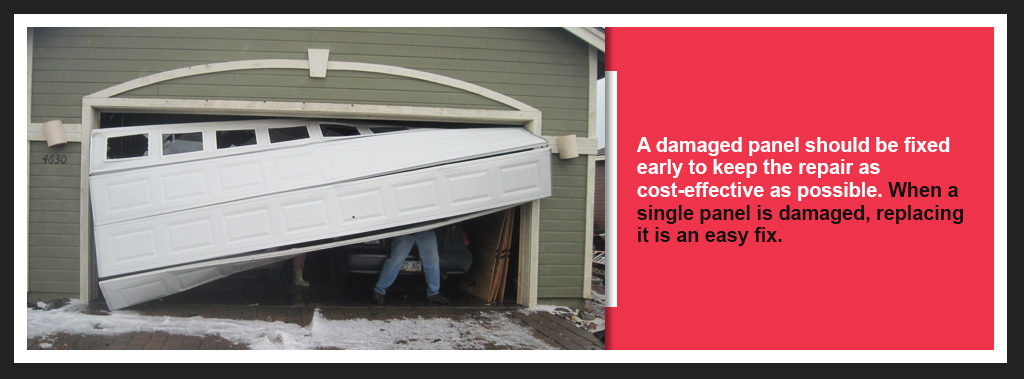
A damaged panel should be fixed early to make the repair cost-effective. Ignoring this trouble area for a while will cause the issue to spread and make the repair much more costly. Replacing multiple panels is no cheaper than replacing the door altogether, so try to fix the single damaged area as soon as possible.
3. Your Garage Door Feels Heavy
Because garage doors are quite heavy, the springs that assist your garage lift mechanism with lifting the door can begin to wear down with use. These springs prevent the lift motor from wearing down rapidly and enable you to open the door by hand if your power goes out.
A heavy door may signal worn springs. This issue is usually an affordable, quick fix involving a simple replacement of the springs by a professional. Both springs should be replaced to keep your door balanced. New springs will make your door feel much lighter.
4. Your Garage Door Is Leaning
If one side of your garage door appears to be lower than the other when the door is closed halfway, you probably have an imbalanced door. This could signify that your door is putting additional burden on your lifting mechanism and speeding up the mechanism’s wear and tear.
Balance is essential to the efficiency of a garage door. If one side is sagging, then one of your springs has worn down more than the other. This imbalance will put additional stress on your door’s lift motor. The repair is another that is relatively simple. A professional will replace your springs and rehang your door to restore your door’s balance.
Remember to hire a professional to conduct your repairs. While a simple problem with your garage door may seem like an easy fix you can handle on your own, you’ll be putting your safety and investment at risk by trying to fix the issue yourself.
Learn About Our Garage Door Repair Service
When to Replace Your Garage Door
At what point is repairing your garage door no longer the practical option? Here are a few signs it’s time to replace your garage door altogether:
1. Your Garage Door Hasn’t Been Working For a While
Though suddenly occurring issues are often reparable if addressed as soon as possible, issues that are neglected for an extended period tend to require a replacement. Because the door opens and closes so many times, even seemingly small problems can cause significant damage over many uses. Eventually, the damage becomes severe enough that the door will need replacement.
2. Your Garage Door Is Significantly Damaged
If extreme weather or an errant tree limb severely damaged your door, a simple repair might not be enough to fix the problem. With enough damage to a garage door, replacement becomes the only cost-effective option.
3. Your Garage Door Doesn’t Have Child Safety Sensors
New garage doors include sensors that cause the door to stop moving if they detect a pet, child or object under the door. This feature can prevent injuries to people and animals as well as damage to items in your garage. After-market installations are not always cost-effective, so replacement is the best way to ensure your garage door is equipped with the most up-to-date child safety sensors.
4. Your Garage Door Has Aged
A garage door can be one of the details on a house that stands out and adds to the value and appeal of your home. A new coating of paint on your garage door may improve its appearance, but because designs for garage doors progress a lot over time, newer doors offer a more modern, aesthetically appealing look.
New garage doors are also sized for modern vehicles, so an updated garage door can also be more practical. Older garage doors are easier to break into, but new doors and additional security features to protect you and your home have improved.
If you’re looking for a fast, low-cost way to enhance your home’s value, replacing your garage door is the perfect way to do so.
5. Your Garage Door Is Consuming A Lot of Energy
Poor energy efficiency is another reason to replace your garage door. Because garage doors are so big, open doors let in a lot of air from outside. Even with significant insulation, the difference in temperature between the garage and your home will affect your energy bill.
New garage doors can offer better energy efficiency compared to old doors. Materials and insulation technologies have changed over the last few decades. The new garage doors provide better energy efficiency compared to the old version. The good news is that a new garage door can increase the value of your home. The even better news is that it can also lower your energy costs. The added value results in you saving even more money.
6. Your Garage Has Been Broken Into
If someone has broken in through your garage door, the best course of action is to replace your door. Though you may be inclined to believe that resetting the security code may be enough, you don’t know exactly how the intruder entered, so you may not be addressing the right issue. Installing a new door is the best method for ensuring the intruder doesn’t return to your home. Your peace of mind is worth the expense of a garage door replacement.
In these instances, replacing is the better option or sometimes even the only option for your garage door.
Whether you replace or repair your garage door, you’ll want to hire professional help. Garage doors tend to be more complicated than other DIY home improvements. If you try to repair a garage door on your own, you risk making a mistake that could result in the breakdown of interacting systems, which could end up costing you even more money. You could also risk your safety by attempting a DIY garage repair. We recommend placing the task of repairing or replacing your garage door in the hands of experienced professionals who will get the job done right. Doing so will save you the time, stress and cost of attempting the repair yourself.
Garage Door Opener Repair and Replacement
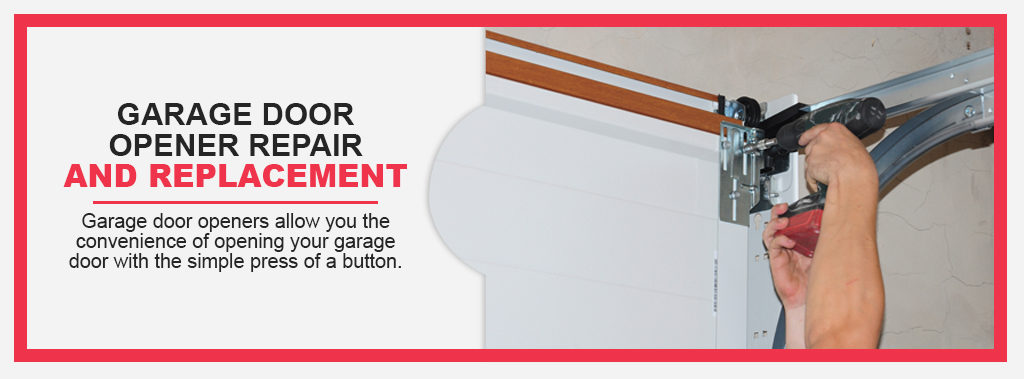
Garage door openers allow you the convenience of opening your garage door with the simple press of a button. You can control your garage door from just about anywhere and you can set a schedule to open and close your garage door automatically.
If your garage door is old. Safety efficiency and security measures have improved tremendously in the last decade. Your garage door opener will give you some signs when you need to repair or replace it. You may notice that your garage door does the following when your garage door opener starts malfunctioning:
- Moves slower
- Starts vibrating
- Makes loud, unusual sounds
- Opens intermittently
Whether you need to repair or replace your garage door opener depends in part on its condition. First, you need to determine what exactly is wrong with your opener. Is the opener’s gear damaged? Is the chain or belt broken? Is the rail disconnected or twisted?
Regardless of any issues you’re having with your garage door opener, you should replace it if it’s at least a decade old. Often it can be more expensive to replace a garage door opener than to repair it. It could make sense to purchase a new one as it will be the latest technology and work better.
Ultimately, the best way to determine whether you should repair or replace your garage door opener is to have a professional inspect your opener.
Other Factors to Consider
You may want to consider some additional factors as you’re moving forward with repairing or replacing your garage door.
1. Your Budget
How much can you put into this project? Is it possible to fix a small issue or is it more cost-effective to replace your door? Repairing your garage door is not always the more cost-effective option if the door is likely to break down again in the near future. Replacing a door can be an excellent investment because your new door will last longer and will need less maintenance, saving you money in the long term.
2. Aesthetic Appeal
A new garage door can also have a tremendous impact on the aesthetic appeal of your home. Old garage doors can become rusted, rotten and bent, which can give the impression that the rest of your home is also poorly maintained and falling apart. This will negatively affect the value of your home and your ability to sell it.
3. Warranty
You’ll get a longer warranty when you invest in a new garage door. At Oregon City Garage Door, we provide a one-year warranty on all of our garage door installations.
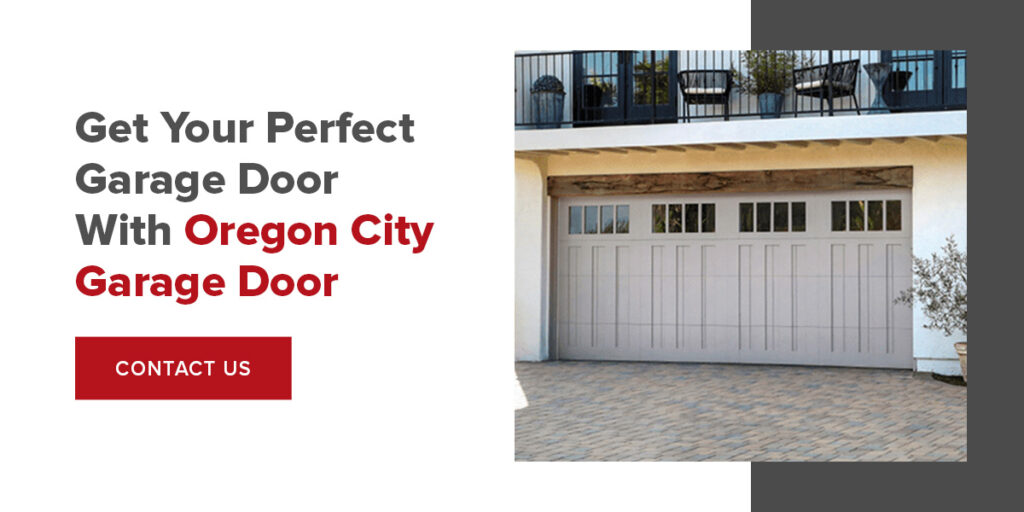
Get Your Perfect Garage Door With Oregon City Garage Door
If you’re looking for a new garage door, we have the right one for you. For over 25 years, Oregon City Garage Door has been catering to the garage door needs of those in Oregon City, Portland and surrounding areas and cities like Wilsonville, West Linn, Oak Grove, Hillsboro, Happy Valley, Gresham and more! You can select the garage door you want and if you need help making your decision, our team of experts can help you choose from a wide range of excellent options.
Our team of experts will install your new door and ensure it works as it should. We can also take care of hauling your old door away when you schedule a door replacement with us.
Call us today at 503-632-3070 to speak to our team. You can also fill out our contact forms to request service or a new garage door quote.