How to Repair a Dented Garage Door Panel
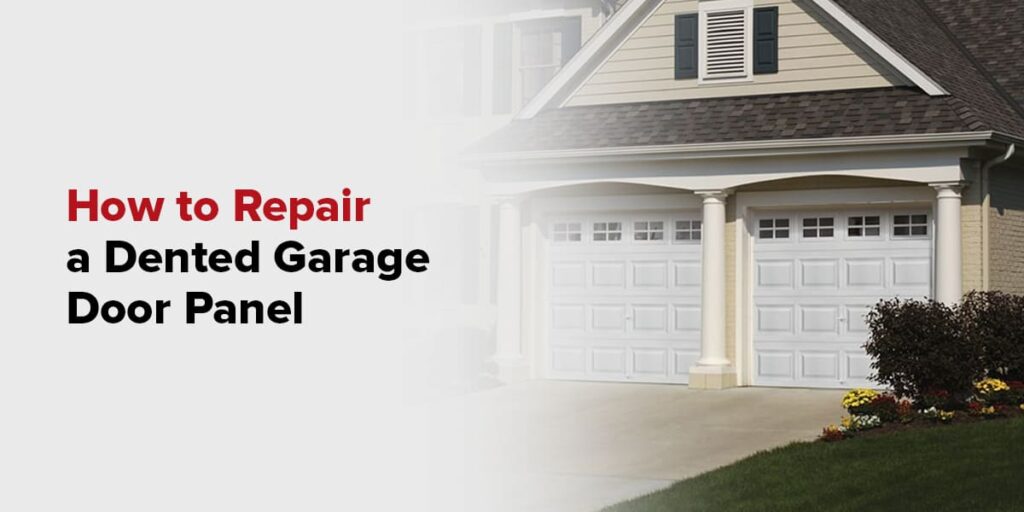
A dented garage door can impact your home’s curb appeal and the security of your garage. Thankfully, there are several tried and true methods for garage door dent removal and repair.
At Oregon City Garage Door, our experts have put together a guide on fixing a bent garage door panel to help you get started.
Common Ways Garage Doors Are Dented
Manufacturers build many standard garage doors with aluminum and steel because of their durability and low maintenance. The downside is that they are easy to dent. Many things can dent your garage doors, from accidents to nature.
Over time, the impacts of high winds, rain, hail and snow can cause your garage door to weaken and buckle. Without regular yearly maintenance, this process can happen faster.
It’s surprisingly easy to get into an accident when your garage doesn’t open all the way or you can’t see it in your car’s blind spot. Leaving an object in the door’s path or track can also lead to significant damage. Even a stray Frisbee or baseball can make a small dent.
Can Dents in Garage Doors Be Repaired?
If you have a dented garage door, you should first examine the damage to determine whether a DIY repair is possible.
Check whether your garage door can open and close. Exercise caution before attempting to open the door because the assembly has a high level of tension. If the door can’t open and close, you’ll need professional maintenance.
It’s typically harder to remove dents from wooden doors than to repair steel or aluminum.
How to Fix a Dented Garage Door Panel
There are several trusted methods for fixing a minor garage door dent. Use your best judgment to determine if you can repair your door or you should hire a professional.
Hammering Out the Dent
You can often repair an aluminum door with a hammer. Follow these three steps:
- Wash: Clean the dented area with soap and water.
- Gather supplies: Use a wood block and mallet for this repair.
- Hammer: Hold the block against the dent and tap the section until it’s level with your surrounding door panels.
Heating the Panel
Another common method for garage repair is heating:
- Preparation: Wash and dry the panel, then stretch aluminum foil over the dent.
- Heat: Use a lighter for about one minute to heat the surface of the aluminum foil. Afterward, take the aluminum foil away quickly.
- Spray: Spray the dent with a can of compressed air for about half a minute to a full minute. Carbon monoxide should pop your panel back into place.
Contact Oregon City Garage Door
Whether the job is too big or you want the convenience of professional help, Oregon City Garage Door is in your corner.
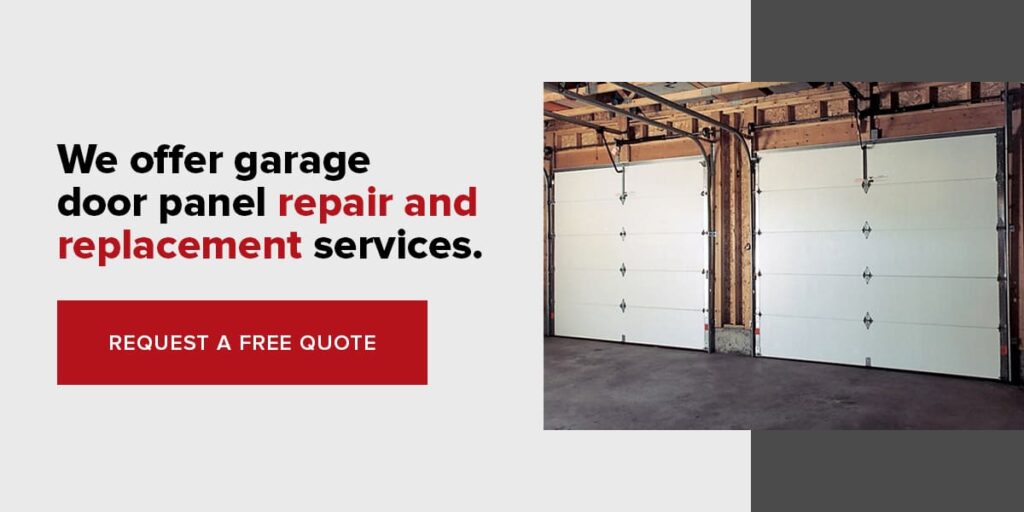
We offer garage door panel repair and replacement services. Our team of professionals will assess and repair minor dents in your door or accident that prevents it from opening and closing. Reach out and request a free quote today!
How to Prevent the Garage From Flooding
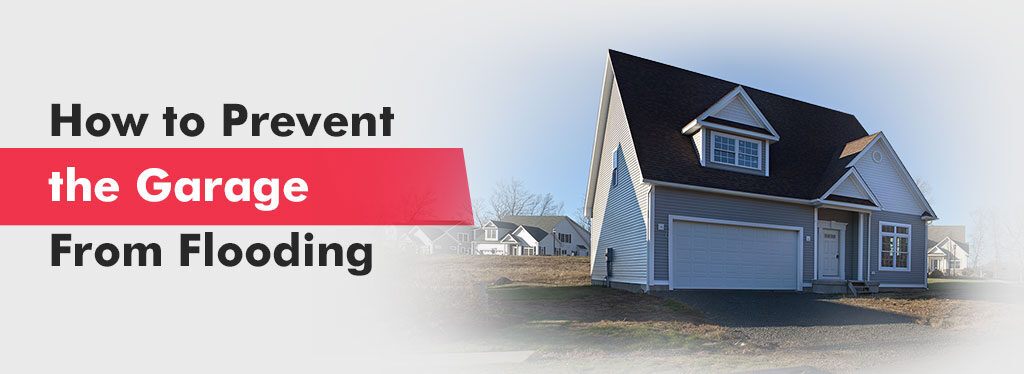
Has your garage flooded during heavy rainfall or a natural disaster? Since this part of a home or business is made to be accessible, it’s naturally more vulnerable to flooding or water damage during storms. When that happens, the costs can rack up quickly — flooding can cause foundation damage, destroy inventory or belongings, and lead to health concerns like mold and mildew development. Fortunately, there are steps you can take to flood-proof garage doors and help stop water from entering a garage.
At Oregon City Garage Door, we want to help home and business owners keep their property in pristine condition by providing top-quality garage door services and educational resources. Learn more about why garages flood and how you can help prevent it.
Why Do Garages Flood When It Rains?
If you live on a slope or your area is prone to flash floods, your garage flooding may be an issue you face frequently. When it rains so hard and often that the rivers and lakes rise and the drainage overflows, the water will have nowhere to go but flow down from its starting location. When you own property on a lower incline than the nearest body of water or in a city with inadequate drainage, you need to be prepared to take mitigation measures and prevent water from getting into your garage.
When planning flood prevention, be sure to consider your downspouts. These installations are supposed to help divert water away from a building. If the gutter downspouts face the wrong direction or have leaks, they could unintentionally lead to water seeping into your foundation and the garage. If you notice constant flooding in your garage, you will want to identify any sources of leaks and close up any holes or open spaces that allow water inside.
How to Protect Your Garage From Flooding
If you live in an area prone to storms, it’s especially important that you know how to protect your garage from flooding. While flooding is one of the most common occurrences in all states, some regions are more prone to it than others. For that reason, everyone should know how to protect a garage from flooding.
The garage door is a great place to start, as it takes the most impact from storms. Since garage doors are made relatively light to allow them to open and close, they are subject to movement during intense storms, which may allow water to enter the garage.
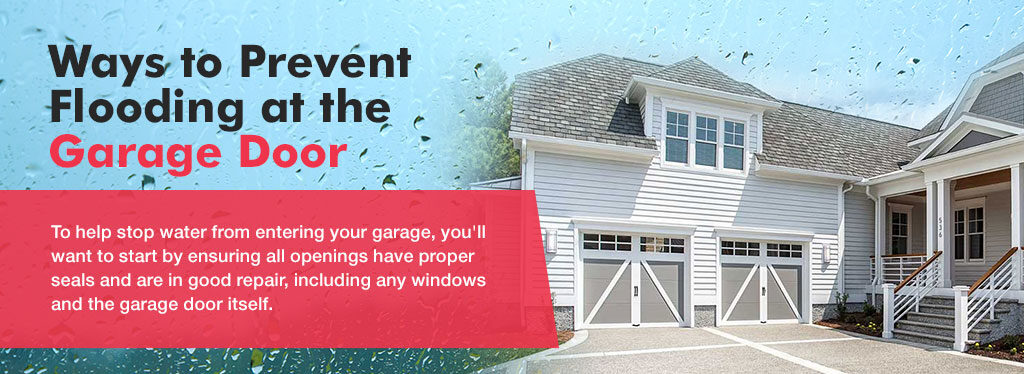
Ways to Prevent Flooding at the Garage Door
To help stop water from entering your garage, you’ll want to start by ensuring all openings have proper seals and are in good repair, including any windows and the garage door itself. If the garage door is old or dented, it will do very little to protect your garage from water, which is why it’s essential to perform garage door maintenance to prevent flooding problems.
If you see any damage to your door, replacing it is the first step. There are many types of garage doors to choose from, with some offering greater levels of durability or insulation to withstand specific environmental conditions. You can even buy hurricane-ready garage doors if you live in a hurricane-prone area.
Weatherstripping and Foundations
At the bottom of any garage door is a weatherstrip. Weatherstrips are usually rubber or vinyl and are present to help prevent water from seeping in underneath the garage door. When they age, however, they can crack, which will allow water to seep through the gaps.
It is essential to check and replace your weatherstripping regularly, as these pieces help prevent water from entering your garage during minor flooding occasions and help your garage maintain its temperature.
If you bought your home or commercial facility many years ago, you might need to check your foundation for cracks, damage or even previous water-damaged areas. Since damage here will affect literally every other part of a building, it pays to be vigilant and ensure your foundation stays in good repair. Even if any cracks you see are minuscule, you need to address them. Water can seep into holes of any size and cause damage, especially during freezing weather.
If you see any cracks in your foundation, use waterproof paint or concrete patches to fix them as part of your flood-proofing regimen.
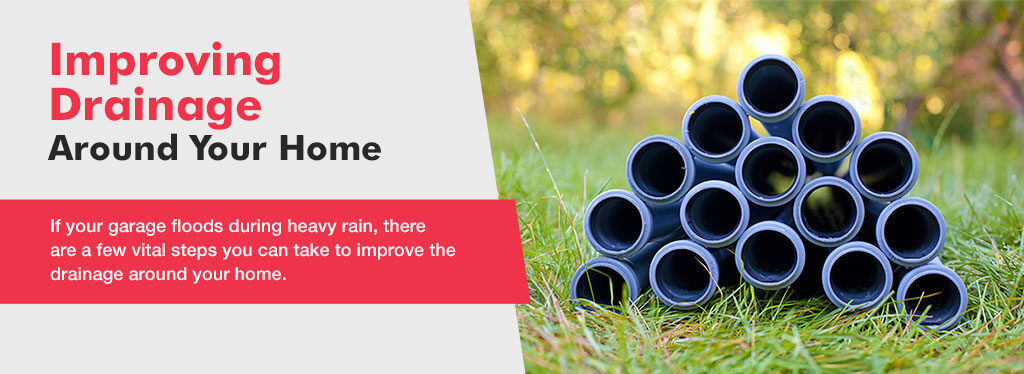
Improving Drainage Around Your Home
If your garage floods during heavy rain, there are a few vital steps you can take to improve the drainage around your home. If the city-provided drainage system is inadequate, you can install French drains either along your driveway or in front of your garage to help eliminate excess water when the street drains are overwhelmed. French drains are gravel-filled trenches the water can run into and pass through. Underneath the gravel is a perforated pipe that collects the water and draws it away.
Barriers
If you have the time to prepare them, flood barriers for your garage door can be beneficial in the case of severe rainfall like that associated with hurricanes. Sandbags are popular for this purpose, as they act as an inexpensive makeshift dam. Put towels behind them to help soak up any water that may leak past. Along with using sandbags to direct water away from your property, you can also dig trenches and erect other barriers if you believe the previous prevention methods will be insufficient.
If you live in an area prone to these tropical storms or severe rainstorms, you may want to look into flood vents. Flood vents allow the floodwater to enter your garage freely rather than building up and exerting pressure against the garage door. Though it may seem counterintuitive, deciding to let the garage accommodate the excess water during severe weather will help save the rest of the property from suffering flooding and water damage.
Professional Garage Door Flood Prevention
If you’re not sure how to best flood-proof your Portland-area garage, Oregon City Garage Door is here for you. Whether you want to protect a commercial building or a residence, you can rest assured that our expert team will be there to evaluate your needs and help you decide on the best flood-mitigation measures for your property.
When you need maintenance or a tuneup done on your garage, Oregon City Garage Door is for you. With services ranging from garage door installation to flooding prevention, we cover all the bases to help you keep your garage in peak condition. We can even provide guidance on how to dry out a flooded garage if the damage is already done, and we’ll do everything we can to prevent it from happening again in the future. Contact us today to learn more about our garage door services for the Portland area.
How to Fix a Stuck Garage Door
Owning a garage is so convenient, as long as the garage door is running smoothly. You rely on your garage door to go up and down on demand multiple times each day. If your garage door was installed properly, you’re used to it working without any issues. But, perhaps today, it got stuck.
Garage doors rely on a series of interconnected parts to function properly. Their complex design can sometimes malfunction without warning. Regular garage door maintenance can help avoid these issues, but breakdowns can still happen.
A stuck garage door can cause inconveniences in your daily routine. Sometimes there is a simple fix, and other times you may need professional repairs. These tips can help you avoid frustration and identify the root of the problem so you can get your garage back to normal right away.
Causes of Sticking
The first step toward fixing your garage door is to figure out why it got stuck. Garage doors are powered by many different parts, which can malfunction for a variety of reasons.
Here is a list of common problems that cause garage doors to get stuck:
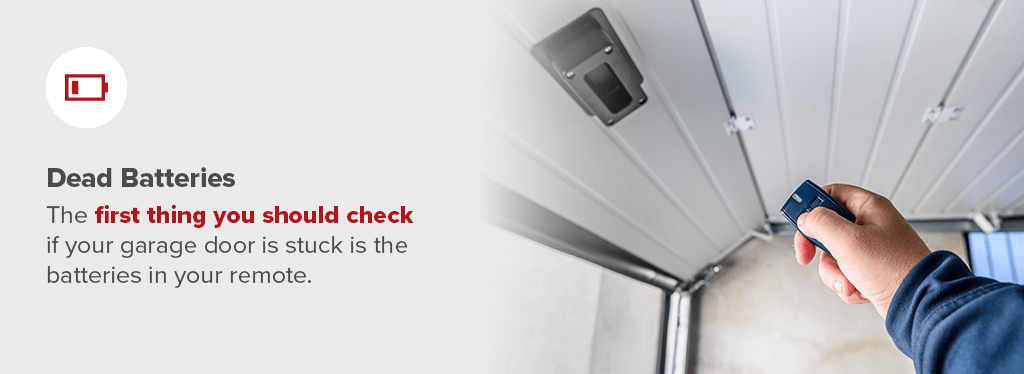
1. Dead Batteries
The first thing you should check if your garage door is stuck is the batteries in your remote. Batteries die all the time, and this is often the problem. If you swap in fresh batteries and it doesn’t help, you can start checking out other likely causes.
2. Locked by Accident
This may seem obvious, but have you checked the lock? Garage doors can often become locked by mistake by a child or an automatic locking system. If your garage door won’t open, take a second to check the locks before trying other solutions.
3. Cold Weather
Oregon winters are cold and wet, and water can collect and freeze around the springs of your garage door. A buildup of ice can put pressure on your springs, making your garage door latch stuck. Try removing the ice from the springs and see if your door becomes unstuck. Clearing the ice from your springs may be a simple fix unless they have become damaged. Use a heat gun on a low setting or a hair dryer to gently melt the ice away.
If the ice has broken the springs on your garage door, call a repair service right away. Replacing a spring yourself is extremely dangerous and is not recommended.
4. Broken Pulley or Springs
A pulley and spring system lifts your garage door up and down. These mechanisms pull the door along the track to open and close it. If a spring is broken or the pulley is obstructed, the garage door will not be functional. These parts can break even while the door is in motion, causing it to be stuck halfway or fully open.
Springs are not designed to last forever. After a while, they need to be replaced. If you believe this is causing your door to be stuck, call a professional garage door repair service. They can fix the broken spring or pulley system to get your garage door running smoothly.
5. Track Issues
Your garage door’s track is an essential part of the opening and closing mechanism. But it’s also one of the most delicate. Rollers guide your garage door along the track to lift it up and down. If the track is disturbed, your door can easily become stuck.
Common track issues include:
- Blockages: Objects like rocks and leaves or even a rubber ball have been known to weasel their way into garage door tracks. Examine your tracks for any items that could be blocking the rollers from moving. Only try to clean these blockages if your garage door is in the down position to avoid the risk of injury.
- Dislodged rollers: If your garage door opens halfway and stops, your rollers may have jumped off of the track. A professional is needed to fix this problem safely.
- Damage: Regular wear and tear can add up, causing the tracks to become bent and misshapen. They can also be broken by an impact from a car or harsh weather conditions. Call a professional to make sure your garage door is fixed properly.
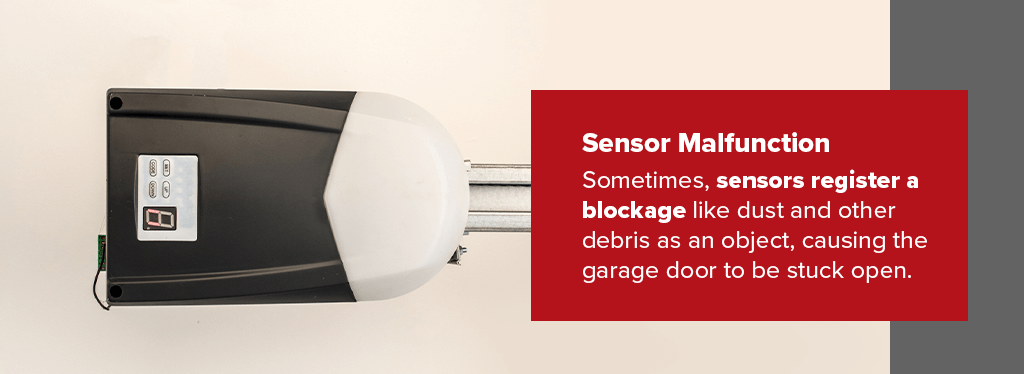
6. Sensor Malfunction
Sensors are designed to keep your garage door open if they sense an obstruction. Sometimes, sensors register a blockage like dust and other debris as an object, causing the garage door to be stuck open. Try wiping them off and test if that works. If problems persist, consult a professional for help.
7. Inadequate Lubrication
Proper lubrication is required for your door to function smoothly. If your garage door has been making a lot of noise lately, you may not have enough. Poor lubrication will cause your door to get stuck, but the solution is simple. Apply lubricant to the tracks, hinges, rollers and springs after cleaning the components. Do this when the door is in the down position.
Stuck up, Down or Halfway?
The spot where your garage door is sticking can help you troubleshoot the cause of the problem. You can rule out certain malfunctions depending on where it is jammed.
Stuck Up
Common causes for a garage door that is stuck in the up position include:
- You have malfunctioning garage sensors.
- There’s a broken spring.
- There’s an electrical issue with the garage door opener.
- Remote batteries need to be replaced.
Stuck Down
Common causes for a garage door that is stuck down include:
- There are broken parts, like hinges, cables or rollers.
- The garage door is locked.
- Rollers are out of the tracks.
- Remote batteries need to be replaced.
Stuck Halfway
Common causes for a garage door that is stuck halfway include:
- An obstruction is blocking the rollers on the tracks.
- There’s a jam in the spring and pulley system.
- The pressure on the garage door opener needs an adjustment.
Contact Oregon City Garage Door to Fix a Jammed Garage Door
If your garage door is stuck, you can look at the areas listed above to identify the problem. Check the locks, clean out the tracks, apply lubricant and attempt a few other easy fixes. However, making major repairs to your garage door can be dangerous if you do not have experience. Trust your garage door to the professionals for a quick and easy fix.
At Oregon City Garage Door, our professionals provide high-quality prompt and friendly service. Our experts are available to inspect your residential or commercial garage door and find the right solution to make your garage fully functional again. We also offer garage door maintenance and tune-up services to prevent your garage door from getting stuck again in the future.
If your garage door is having issues that you can’t seem to fix, call in the experts. Schedule a service with Oregon City Garage Door today!
The Pros and Cons of Garage Door Windows
Are you trying to decide whether to buy a garage door with or without windows? There’s no right or wrong answer, but you should consider the pros and cons of having windows in your garage doors before making your purchase.
Pros of Garage Doors With Windows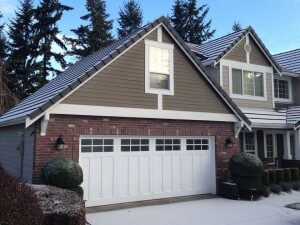
Are the windows worth it? Sometimes. You can find reasons for and against buying garage doors with windows or installing windows on your garage doors.
Some reasons to purchase a new garage door with windows include:
- Natural light: Garages are naturally dark, and by adding windows to your garage doors you can bring in natural light. You’ll have less need to turn the lights on in the garage because of it, which also saves on energy costs. If you want to use your garage as a workout location or plan to employ the workbench for home improvement projects, remember that creating a brighter space with natural sunlight will make the area more appealing and help it feel bigger.
- Attractive design aesthetics: If you want to increase the curb appeal of your house, adding garage doors with windows is a great way to do it. Garage doors with windows look attractive and can set your home apart from others on the block with a little extra curb appeal. You can even choose garage doors with windows that look similar to the windows on your house. This type of design symmetry will attract potential buyers if you put the house on the market.
Cons of Garage Doors With Windows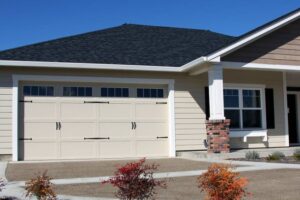
Should a garage have windows? Not necessarily.
Some reason to purchase a garage door without windows include:
- Insulation: Insulation keeps the warm air in the garage during the winter and the hot air out in the summer. The more insulation you have, the more temperature control you’ll enjoy. Garage doors with windows have less insulation, as glass panes don’t provide the same protection as a solid door. They can let in sunlight that warms the garage, but they’ll do so in both winter and summer.
- Potential cost: If you’re upgrading your doors to add windows, expect it to get expensive. Altering existing garage doors costs a lot, and you could potentially cause damage to your door in the process. You’ll need to determine whether updating the garage doors will makes them unbalanced. The engineering in these systems is easy to throw off because it involves such a precise calculation, and the weight of the door will change when you add windows.
Are Garage Doors With Windows Safe?
Many individuals have privacy and safety concerns about buying garage doors with windows. The safety of your home may depend on the size of the windows. If they’re small and located near the top of the garage door, people won’t be able to see much inside your garage.
However, if you have big windows, someone could see into your garage, which may lead to theft. If you’re concerned about safety concerns, it may be best to stick with doors that have smaller windows located higher on the door or choosing a model with frosted windows.
No matter what kind of door you have in mind, you’re sure to find the perfect solution by browsing the wide selection at Oregon City Garage Door. View our inventory now!
Ways to Cool Your Garage in the Summer
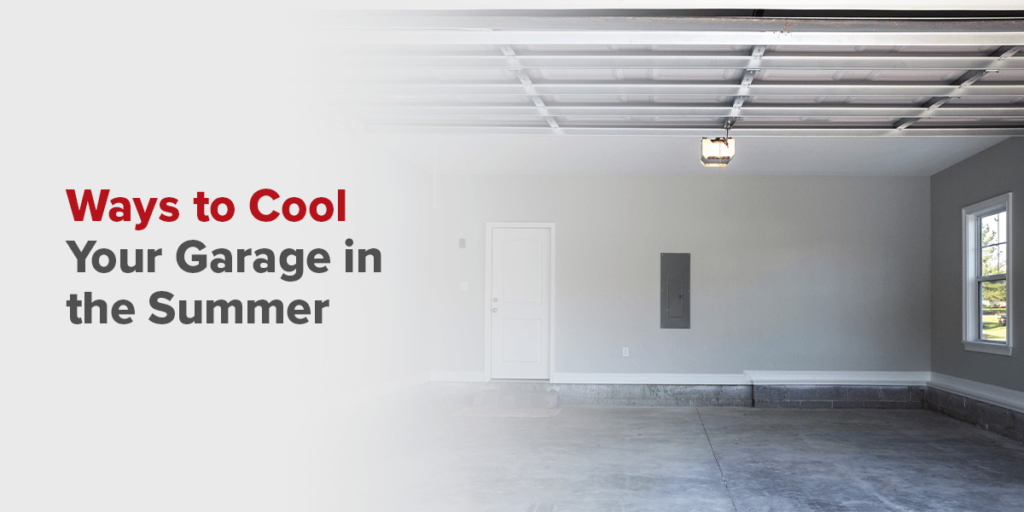
Why is my garage so hot? You step into your garage and you immediately start to sweat. While most garages get hot, there’s always a way to cool them off. Learn more below about why the temperature in your garage temperature rises so high and the best way to cool a garage in the summer.
Why Do Garages Get So Hot in the Summer?
Summers everywhere can get hot and humid, turning the garage into an uncomfortable place. Trying to work out how to cool a garage in Oregon can be difficult. There are two main reasons garages feel like saunas in the summer. The first is a lack of ventilation and the second is the lack of insulation.
That said, other factors can play into the problem, as well. If your garage is full of objects, built with concrete flooring or has lots of heat-generating vehicles and equipment, your garage might be holding onto more heat. Here are some common reasons your garage is getting hot in summer.
Lack of Insulation
Poor insulation is the main cause of a hot garage. With inadequate insulation, warm air seeps into the garage as the cold air escapes, meaning your space can’t maintain a comfortable temperature level. This increases your energy bill and makes your garage uncomfortable.
In the summer months, uninsulated garages are naturally warmer since they don’t have the ability to keep the hot air out. Properly insulated garage doors and walls help maintain the garage’s temperature as the outside air fluctuates, keeping it cool in summer and warm in winter. In addition to improved temperature control, you can enjoy several benefits of insulating your garage.
- Lower energy bills: Insulating your garage keeps the heat out and helps lower your energy costs. Your HVAC system won’t constantly try to maintain the climate level as the garage warms up.
- Noise management: Insulation softens the outside sound heard in the garage. Additionally, an insulated door will be quieter when it opens and closes.
- Storage item protection: Managing the garage’s indoor temperature prevents vehicles and items stored inside from being subjected to extreme temperatures.
Air rises, entering cracks and crevices around the garage door, warming and cooling the garage by mixing with the outdoor temperatures. If left unsealed, these garage door gaps could also let in water, animals and wind, ruining your stored garage items.
Lack of Ventilation
Lack of ventilation is a common problem, especially in windowless garages. Without air circulation, the garage feels hot and stuffy. A soft breeze can decrease the temperature and improve comfort. Removing the hot air through a turbine or mechanical system is an excellent way to provide ventilation.
Without ventilation, your garage traps warm air — and potentially, toxic fumes from vehicles. This mixture can be hazardous and should be removed from the space. To improve ventilation and remove the hot air and fumes, add a mechanical air mover or windows and vents to the garage walls. You’ll enjoy cleaner, cooler air.
Location and Color
Your garage’s location impacts the amount of sunlight it receives. A south- or west-facing garage is more exposed during peak heat periods, which means it gets hotter inside.
The garage door and roof color can also impact the internal temperature — darker garages often absorb more sunlight. Lighter colors can help reflect light, preventing it from absorbing into your garage. Similarly, your home’s exterior may conduct or repel heat depending on its color.
Heat-Generating Objects
If you’ve just parked your car, the engine’s heat will radiate out and increase the garage temperature because it emits heat long after it stops running.
Operating electrical equipment such as dryers and washing machines also elevates heat levels, and cluttered items block airflow and keep air stagnant and warm. If your garage is full of objects and contains operational appliances, you’ll likely feel more heat inside during the summer.

7 Garage Cooling Solutions
No one likes a heated garage. Check out these tips on how to cool off your garage.
1. Park Your Car Outside
Parking your car outside in the shade after driving home provides some time for the engine to cool down. That way, it won’t emit as much heat when you move it into the garage for the night. Leave it outside for at least a few hours into the evening for the heat of driving to dissipate.
2. Use Garage Ventilation Systems
The simplest ventilation option for a garage is windows. They have many advantages, such as opening and allowing fresh air to circulate. Tinted and UV-protective windows also help reduce the light and heat entering your garage.
Fan-driven airflow systems are another efficient solution that comes in multiple varieties:
- Passive ventilation systems: A standard method for cooling garages, passive ventilation systems often consist of a turbine roof or wall vent that uses natural winds to help circulate air through the garage.
- Active ventilation systems: These mechanically circulate garage air. They are either separate or integrated with the house’s ventilation system. They’re more expensive and should be installed professionally to prevent your electrical circuit from overloading.
3. Leave the Garage Open for a Few Hours
If your garage door lacks windows, leave it open for a while in the evening to let hot, stagnant air escape. Move home improvement projects and hobbies outside while you allow air to circulate naturally for a few hours. Make sure you close the door if you plan to leave home.
4. Circulate Air In Your Garage
Install a ceiling fan, pedestal fan or air conditioner in your garage. If you opt for a fan as your primary, permanent cooling solution, it’s best to choose an industrial-strength model. You have a couple of options for ways to increase air circulation in your garage:
- Fans: Install a ceiling fan to help cool the garage or place several pedestal or box fans along the sides of the garage ceiling for more circulation. Fans pull and push air inside and outside to create a flow, so place them near vents and open windows if possible.
- Air conditioning: Adding an air conditioning unit is the quickest way to lower your garage’s temperature. You can also use a portable air conditioner, but make sure you take measurements and select the correct size.
5. Upgrade Your Garage Insulation
Insulation works to keep your garage cooler in the summer and retain heat during the winter. Insulate your garage door and walls to keep the heat out and reduce the temperature. A new, insulated garage door can help reduce your energy costs by placing less pressure on your HVAC cooling system.
Proper insulation and weatherstripping protect your garage from extreme temperatures and weather damage. Preventing the elements from entering protects your garage from heat, cold, animals and water damage, so it stays secure year-round.
6. Place a Dehumidifier in Your Garage
A humidifier regulates the air’s humidity by extracting moisture from it. It also prevents musty odors caused by excessive heat buildup in the garage. These devices are helpful in summer, as they maintain comfortable humidity levels and make the heat feel more tolerable. Place the dehumidifier away from direct sunlight or attach it to a portable air conditioner for optimal results.
7. Consider Repainting Your Garage Door
Darker garage doors tend to absorb heat more than lighter colors. Consider repainting your door’s exterior to repel the harsh summer heat, especially if your garage receives large amounts of direct sunlight during the day.
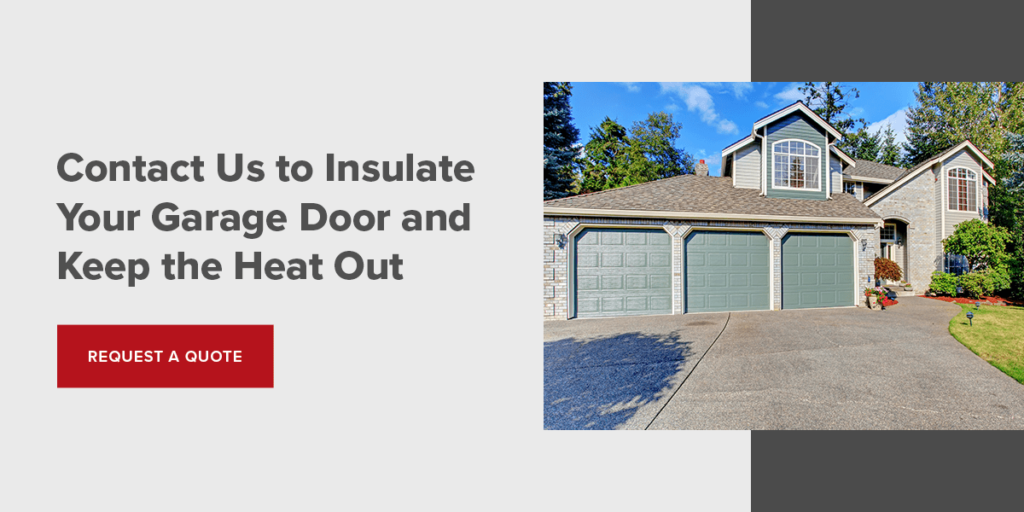
Contact Us to Insulate Your Garage Door and Keep the Heat Out
Even with temperatures at their hottest, there are ways to cool your garage in the summer. Let Oregon City Garage Door help you! We sell a range of new insulated garage doors designed to keep your garage more comfortable all year round — all while protecting your belongings and lowering your utility bills.
We have been trusted for reliable garage door service in numerous counties and cities in Portland, including Beavercreek, Beaverton, Canby, Clackamas, Happy Valley, Tualatin, Tigard and more!