5 Cheap Ways to Heat Your Garage in the Winter
Your concrete garage is likely not the warmest part of your home. Whether you use it for vehicle storage or as a workshop, stepping into or spending time in a frigid space is not a pleasant experience.
If you’ve been dealing with cold temperatures, you can keep your garage warm in a few different ways.
How to Keep Your Garage Warm in the Winter
You don’t have to deal with a freezing garage all winter long. Here are five different ways to cheaply heat your garage:
1. Space Heaters
Plugging in a space heater is a quick and easy way to keep your garage warm. Depending on your needs, you can choose from an electric heater, a gas heater or a ceiling-mounted forced-air heating unit.
Keep in mind that while portable heaters can add warmth and raise the inside temperature by a few degrees, they can take a while to heat the garage and aren’t a long-term solution. For more even heat distribution, go with the ceiling-mounted forced-air heating unit, installed at a 45-degree angle.
2. Insulation
If your garage walls aren’t finished, it will be difficult to heat and maintain a comfortable temperature inside. Installing insulation is a relatively inexpensive way to keep your garage toasty warm and prevent the heat from transferring outside.
When installing the insulation, make sure it’s secure and snug and has no gaps. Along with wall insulation, you might want to consider installing garage door insulation with spray foam, batting or foam board.
3. Weatherstrip and Caulk
If your garage has any missing or worn weatherstripping and caulk, sealing and replacing it will help keep in the warm air and prevent heat loss. When weatherstripping and caulking your space, pay special attention to a few areas:
- Garage door frames.
- Gaskets.
- Windows.
This simple DIY fix can make your garage much more comfortable during the winter months.
4. Ductless Mini Split Heat Pump
While there is a higher initial cost, a ductless mini split heat pump is an energy-efficient and environmentally friendly way to heat your garage. You can install it in various locations, ranging from the ceiling suspension to the floor.
Even though these heat pumps cost more upfront, they offer year-round heating and cooling while being easier to install and less expensive than heating, ventilation and air conditioning (HVAC) systems.
5. Radiant Heat Flooring
If you are renovating your existing garage or building a new one, one option to consider is radiant heat flooring. This flooring solution, even with a high upfront cost and required professional installation, offers even heat distribution. This heating solution is also versatile, allowing you to install it in the walls and ceilings.
Interested in Installing an Insulated Garage Door?
If you are looking to install a new garage door to help heat your space, Oregon City Garage Door has the residential doors you need. We have been serving Portland-area residents for over 25 years, offering a full line of aluminum, steel and wood doors.
No matter your style or needs, we can help you find the perfect match. Call us at 503-632-3070 or fill out our contact form to learn more.
The Pros and Cons of Garage Door Windows
Are you trying to decide whether to buy a garage door with or without windows? There’s no right or wrong answer, but you should consider the pros and cons of having windows in your garage doors before making your purchase.
Pros of Garage Doors With Windows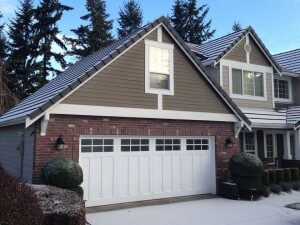
Are the windows worth it? Sometimes. You can find reasons for and against buying garage doors with windows or installing windows on your garage doors.
Some reasons to purchase a new garage door with windows include:
- Natural light: Garages are naturally dark, and by adding windows to your garage doors you can bring in natural light. You’ll have less need to turn the lights on in the garage because of it, which also saves on energy costs. If you want to use your garage as a workout location or plan to employ the workbench for home improvement projects, remember that creating a brighter space with natural sunlight will make the area more appealing and help it feel bigger.
- Attractive design aesthetics: If you want to increase the curb appeal of your house, adding garage doors with windows is a great way to do it. Garage doors with windows look attractive and can set your home apart from others on the block with a little extra curb appeal. You can even choose garage doors with windows that look similar to the windows on your house. This type of design symmetry will attract potential buyers if you put the house on the market.
Cons of Garage Doors With Windows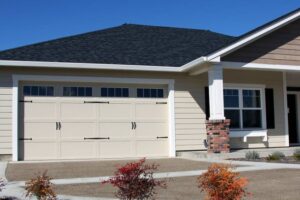
Should a garage have windows? Not necessarily.
Some reason to purchase a garage door without windows include:
- Insulation: Insulation keeps the warm air in the garage during the winter and the hot air out in the summer. The more insulation you have, the more temperature control you’ll enjoy. Garage doors with windows have less insulation, as glass panes don’t provide the same protection as a solid door. They can let in sunlight that warms the garage, but they’ll do so in both winter and summer.
- Potential cost: If you’re upgrading your doors to add windows, expect it to get expensive. Altering existing garage doors costs a lot, and you could potentially cause damage to your door in the process. You’ll need to determine whether updating the garage doors will makes them unbalanced. The engineering in these systems is easy to throw off because it involves such a precise calculation, and the weight of the door will change when you add windows.
Are Garage Doors With Windows Safe?
Many individuals have privacy and safety concerns about buying garage doors with windows. The safety of your home may depend on the size of the windows. If they’re small and located near the top of the garage door, people won’t be able to see much inside your garage.
However, if you have big windows, someone could see into your garage, which may lead to theft. If you’re concerned about safety concerns, it may be best to stick with doors that have smaller windows located higher on the door or choosing a model with frosted windows.
No matter what kind of door you have in mind, you’re sure to find the perfect solution by browsing the wide selection at Oregon City Garage Door. View our inventory now!
How Long Do Garage Door Rollers Last?
“How Long Do Garage Door Rollers Last?”
The answer depends on what type of garage door rollers you have in your garage. When you provide proper maintenance for your rollers, they can last anywhere from one to two decades. Other factors play into the longevity of rollers too, such as the climate and how often the garage door is used.
Garage Door Rollers: Plastic vs. Nylon vs. Steel
Garage door rollers are usually made from plastic, nylon or steel.
- Steel is the most durable material for rollers, but it’s the most expensive as well as the noisiest of the three.
- Nylon is much quieter and less expensive, but it’s also less durable.
- Plastic is the least costly and least sturdy of the three. Plastic rollers do not have ball bearings, which means they can be noisy, and they generally require replacement after just a few years.
Do Garage Door Rollers Wear Out?
Eventually, your garage door rollers will stop working effectively. Factors that cause them to wear out include:
- Weather: Metal parts rust when they’re exposed to lots of rain. Stainless steel holds up much better, resisting rust and working exceptionally well for car washes as a result.
- Usage: If you use your garage door multiple times every day, you may cut down on the rollers’ long-term life. These rollers work for so many cycles, and once you hit that number, you’ll need to replace them whether it’s been two years or 12.
- Track maintenance: With any machinery, the better maintained it is, the more efficiently it will function. Getting regular inspections of your rollers each year will ensure that they are working properly, catching small problems before they grow into big ones.
- Track cleaning: Removing small debris from the tracks will improve the ability of the rollers to move while reducing noise. You can add a lubricant to the tracks if the sound is especially loud. Try specialty garage door formulas that you can get from your local garage door repair shop.
How Often Should You Replace Garage Door Rollers?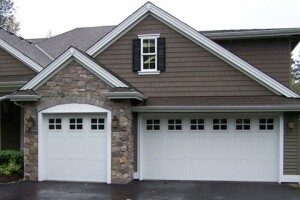
You should replace your rollers when they stop working well. Depending on the material, that may mean 10 to 20 years, though plastic rollers will need to be replaced well before that.
To determine whether you need new rollers, disconnect the door from your automatic opener. Pull the cord manually to make the garage door open and close so that you can see how much drag there is and whether it seems like too much. If it is, you may need to replace the rollers.
If you decide you need new rollers, you should contact a professional and have them complete the installation. Someone who doesn’t understand garage door rollers may install them improperly and put your family at risk.
Rollers that don’t meet the correct installation standards may break or wear out quickly, and the door may become unbalanced, closing suddenly and potentially hurting someone.
Do You Need Assistance Replacing Your Garage Door Rollers?
Contact Oregon City Garage Door to discuss our parts and repair services. You can request service online or give us a call at 503-632-3070.
Should I Replace Both Garage Door Springs?
“Should I Replace Both Garage Door Springs?”
Yes. You may be tempted to save money on parts and labor by replacing just one spring, but you’ll likely need to replace both when one spring breaks.
Garage doors have two springs, one on either side of the door. The springs exert the force that makes the door light enough to be lifted. When one garage door spring breaks, many homeowners wonder if they need to replace both springs or if they can replace only the one that malfunctioned. Read below to learn why you should always replace both garage door springs when one breaks.
Why Is a Balanced Garage Door Important?
Springs keep your garage door balanced, ensuring that both sides of the door rise up and down at the same time. If one spring breaks, it throws off the function of the door. The two sides will rise and fall at different speeds.
You’ll hear more noise when you use the garage door, and the other spring will wear down faster with the higher workload, trying to balance out the issues on the other side of the door.
The average life expectancy of a garage door spring is about 10,000 open and close cycles. For most garages, that means about seven to nine years, but some springs break within four or five years with frequent use.
How can you tell if your garage door is unbalanced? In addition to hearing more noise, you can look for several telltale signs. A slanted or crooked door is a sign of imbalance, and so is a garage door that slams down when you close it instead of coming down slowly. If you notice increasing gaps between the coils in your springs, consider it an indication that the springs are failing and may need replacements.
What Is the Danger of an Unbalanced Garage Door?
If one spring breaks, there are several things that can occur:
- The door may close suddenly.
- Loose springs can crack or fall out of the brackets.
- The door may speed up or slow down, becoming unpredictable and putting you and your family in danger when you try to enter or exit the garage.
Having a malfunctioning spring can lead to warping on the tracks due to wear on the wheels. The motor can also experience greater demand for its power when the garage door is being pushed up, which means it will need to be replaced sooner.
An imbalanced garage door can also cause injury or damage to your property. If your garage door falls on your car, you may need to take it to the shop for repairs. It could fall on something sitting near your garage door entrance, too, such as a bike or scooter.
Learn About Our Garage Door Spring Repair
Should I Replace Both Garage Door Springs?
If you’re thinking of replacing one garage door spring, you’re probably better off replacing both. Your garage door will function better when you get two new springs to balance out the wear and tear, and you’ll gain peace of mind protecting your family from the consequences of a broken spring.
Can a Garage Door Operate With One Spring?
No. Both springs must work together to pull the garage door up and bring it down gently. When operation relies on one spring, in addition to presenting safety concerns, it can also lead to wear and tear on the door.
You shouldn’t try to balance a garage door yourself. While replacing both springs is critical for your door to function again, only a professional can provide the repairs you need. Garage door repair technicians understand how to perform tests on the door’s balance.
Garage doors are heavy, often weighing hundreds of pounds, and you don’t want to put yourself in harm’s way. The safest option is to get help with the replacement of both springs.
Why Do Garage Door Springs Break?
The most frequent reason a garage door spring breaks is wear and tear. Nothing lasts forever, and when your garage door goes up and down at least twice a day, that puts a lot of tension on the spring. You can buy extended life span torsion springs to get more use out of your garage springs, but you’ll still need to replace them at some point.
Another contributor to broken garage door springs is rust. It shortens the life span of a spring and leads to more friction when the coils move. You can apply a silicone-based lubricant to your springs every season to reduce rusting.
Poor maintenance may also cause springs to break. You should check the garage door balance every year so you can detect any potential issues early. Use the emergency release cord to put the door in manual mode, and then lift the door and let go. Well-maintained springs will keep the door in place.
What Type of Garage Spring Do I Need?
To replace the spring correctly, you’ll need to know what type you have. The two main types of springs are extension and torsion.
Torsion springs are the long, thin springs along the door’s horizontal track, which extend when you move the door. They include three types of springs:
- Open-looped extension springs
- Double-looped extension springs
- Clipped-end extension springs
Torsion springs sit on the metal shaft above the door opening. They get wound to a specific torsion that assists with the assembly. The four types are:
- Early-set torsion springs.
- Standard torsion springs.
- Torque-master torsion springs.
- Steel rolling door torsion springs.
Is It Dangerous to Replace a Garage Door Spring?
Yes, it can be dangerous for a homeowner to replace a broken garage door spring. Garage doors are heavy, and their components are under a lot of pressure. It’s best to leave the job to a professional. The dangers of attempting repairs or replacement on your own may include:
- Springs snapping back on you as you try to replace them: The tension in the springs can produce quite a sting or even cause serious injury.
- The door falling on you as you work: A broken spring can make a garage door close suddenly, injuring you or damaging any items in the door’s path.
- Estimating the wrong tension for the springs: If you guess wrong, then the garage door could fall when you’re using it later.
What Do I Need to Replace a Snapped Garage Door Spring?
To replace an extension spring, you will need the replacement part as well as C-clamps. Open the garage door, then secure it with the C-clamps. Take the spring off the track bracket and pulley, and remove one end of the safety cable. Put the new spring on along with the pulley and connect the safety cable again.
Torsion springs are more challenging to work with. Close the door and unwind both the springs. Take them off the central rod bracket and take the cables off the pulleys. Slide the loosened pulleys off the rod. Put on the new springs, then reinstall the pulleys and cables. Wind up both springs using a winding bar and test the door balance.
Contact Oregon City Garage Door for Spring Repairs and Replacements
Now you understand why a balanced garage door is essential. It protects you and your family. Performing repairs on your springs or replacing them yourself may cause safety issues, and the work can be challenging if you’re not familiar with all the moving parts. It’s best to leave repairs and replacements to the professionals, especially if you live in Tualatin, Wilsonville, Tigard, Portland, Happy Valley, Canby or any other areas in Portland for which we regularly provide expert garage door services.
If you need assistance replacing your garage door springs, give Oregon City Garage Door a call at 503-632-3070 or contact us online to schedule service. We can get the job done quickly and correctly the first time around.
Ways to Cool Your Garage in the Summer
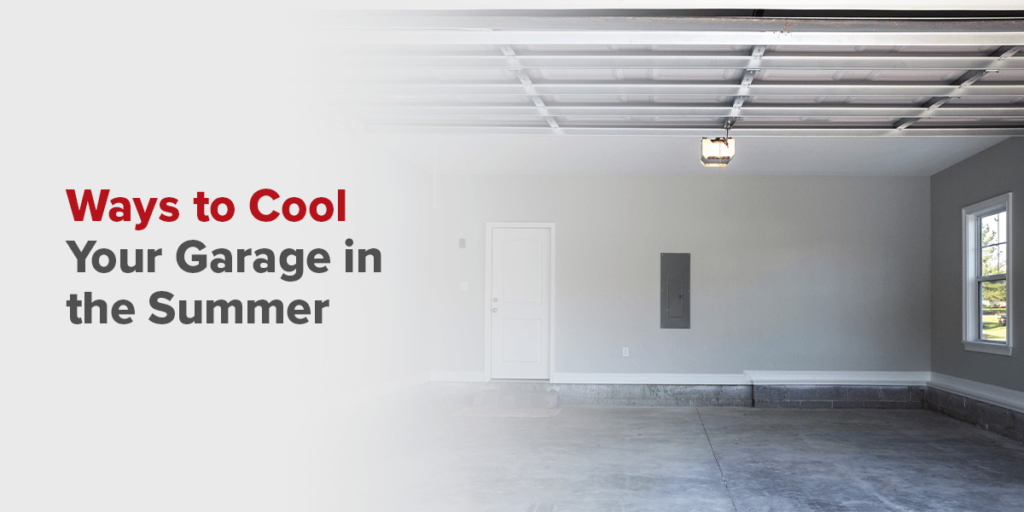
Why is my garage so hot? You step into your garage and you immediately start to sweat. While most garages get hot, there’s always a way to cool them off. Learn more below about why the temperature in your garage temperature rises so high and the best way to cool a garage in the summer.
Why Do Garages Get So Hot in the Summer?
Summers everywhere can get hot and humid, turning the garage into an uncomfortable place. Trying to work out how to cool a garage in Oregon can be difficult. There are two main reasons garages feel like saunas in the summer. The first is a lack of ventilation and the second is the lack of insulation.
That said, other factors can play into the problem, as well. If your garage is full of objects, built with concrete flooring or has lots of heat-generating vehicles and equipment, your garage might be holding onto more heat. Here are some common reasons your garage is getting hot in summer.
Lack of Insulation
Poor insulation is the main cause of a hot garage. With inadequate insulation, warm air seeps into the garage as the cold air escapes, meaning your space can’t maintain a comfortable temperature level. This increases your energy bill and makes your garage uncomfortable.
In the summer months, uninsulated garages are naturally warmer since they don’t have the ability to keep the hot air out. Properly insulated garage doors and walls help maintain the garage’s temperature as the outside air fluctuates, keeping it cool in summer and warm in winter. In addition to improved temperature control, you can enjoy several benefits of insulating your garage.
- Lower energy bills: Insulating your garage keeps the heat out and helps lower your energy costs. Your HVAC system won’t constantly try to maintain the climate level as the garage warms up.
- Noise management: Insulation softens the outside sound heard in the garage. Additionally, an insulated door will be quieter when it opens and closes.
- Storage item protection: Managing the garage’s indoor temperature prevents vehicles and items stored inside from being subjected to extreme temperatures.
Air rises, entering cracks and crevices around the garage door, warming and cooling the garage by mixing with the outdoor temperatures. If left unsealed, these garage door gaps could also let in water, animals and wind, ruining your stored garage items.
Lack of Ventilation
Lack of ventilation is a common problem, especially in windowless garages. Without air circulation, the garage feels hot and stuffy. A soft breeze can decrease the temperature and improve comfort. Removing the hot air through a turbine or mechanical system is an excellent way to provide ventilation.
Without ventilation, your garage traps warm air — and potentially, toxic fumes from vehicles. This mixture can be hazardous and should be removed from the space. To improve ventilation and remove the hot air and fumes, add a mechanical air mover or windows and vents to the garage walls. You’ll enjoy cleaner, cooler air.
Location and Color
Your garage’s location impacts the amount of sunlight it receives. A south- or west-facing garage is more exposed during peak heat periods, which means it gets hotter inside.
The garage door and roof color can also impact the internal temperature — darker garages often absorb more sunlight. Lighter colors can help reflect light, preventing it from absorbing into your garage. Similarly, your home’s exterior may conduct or repel heat depending on its color.
Heat-Generating Objects
If you’ve just parked your car, the engine’s heat will radiate out and increase the garage temperature because it emits heat long after it stops running.
Operating electrical equipment such as dryers and washing machines also elevates heat levels, and cluttered items block airflow and keep air stagnant and warm. If your garage is full of objects and contains operational appliances, you’ll likely feel more heat inside during the summer.

7 Garage Cooling Solutions
No one likes a heated garage. Check out these tips on how to cool off your garage.
1. Park Your Car Outside
Parking your car outside in the shade after driving home provides some time for the engine to cool down. That way, it won’t emit as much heat when you move it into the garage for the night. Leave it outside for at least a few hours into the evening for the heat of driving to dissipate.
2. Use Garage Ventilation Systems
The simplest ventilation option for a garage is windows. They have many advantages, such as opening and allowing fresh air to circulate. Tinted and UV-protective windows also help reduce the light and heat entering your garage.
Fan-driven airflow systems are another efficient solution that comes in multiple varieties:
- Passive ventilation systems: A standard method for cooling garages, passive ventilation systems often consist of a turbine roof or wall vent that uses natural winds to help circulate air through the garage.
- Active ventilation systems: These mechanically circulate garage air. They are either separate or integrated with the house’s ventilation system. They’re more expensive and should be installed professionally to prevent your electrical circuit from overloading.
3. Leave the Garage Open for a Few Hours
If your garage door lacks windows, leave it open for a while in the evening to let hot, stagnant air escape. Move home improvement projects and hobbies outside while you allow air to circulate naturally for a few hours. Make sure you close the door if you plan to leave home.
4. Circulate Air In Your Garage
Install a ceiling fan, pedestal fan or air conditioner in your garage. If you opt for a fan as your primary, permanent cooling solution, it’s best to choose an industrial-strength model. You have a couple of options for ways to increase air circulation in your garage:
- Fans: Install a ceiling fan to help cool the garage or place several pedestal or box fans along the sides of the garage ceiling for more circulation. Fans pull and push air inside and outside to create a flow, so place them near vents and open windows if possible.
- Air conditioning: Adding an air conditioning unit is the quickest way to lower your garage’s temperature. You can also use a portable air conditioner, but make sure you take measurements and select the correct size.
5. Upgrade Your Garage Insulation
Insulation works to keep your garage cooler in the summer and retain heat during the winter. Insulate your garage door and walls to keep the heat out and reduce the temperature. A new, insulated garage door can help reduce your energy costs by placing less pressure on your HVAC cooling system.
Proper insulation and weatherstripping protect your garage from extreme temperatures and weather damage. Preventing the elements from entering protects your garage from heat, cold, animals and water damage, so it stays secure year-round.
6. Place a Dehumidifier in Your Garage
A humidifier regulates the air’s humidity by extracting moisture from it. It also prevents musty odors caused by excessive heat buildup in the garage. These devices are helpful in summer, as they maintain comfortable humidity levels and make the heat feel more tolerable. Place the dehumidifier away from direct sunlight or attach it to a portable air conditioner for optimal results.
7. Consider Repainting Your Garage Door
Darker garage doors tend to absorb heat more than lighter colors. Consider repainting your door’s exterior to repel the harsh summer heat, especially if your garage receives large amounts of direct sunlight during the day.
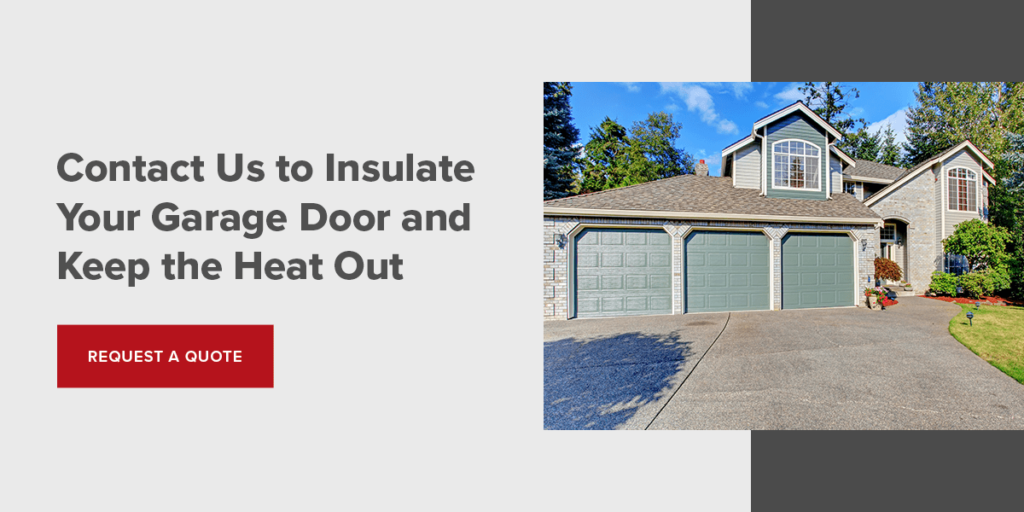
Contact Us to Insulate Your Garage Door and Keep the Heat Out
Even with temperatures at their hottest, there are ways to cool your garage in the summer. Let Oregon City Garage Door help you! We sell a range of new insulated garage doors designed to keep your garage more comfortable all year round — all while protecting your belongings and lowering your utility bills.
We have been trusted for reliable garage door service in numerous counties and cities in Portland, including Beavercreek, Beaverton, Canby, Clackamas, Happy Valley, Tualatin, Tigard and more!